Markets Rally on Reports of US Iran Ceasefire Proposal
European stocks rose on Wednesday as oil prices fell following reports of a US ceasefire proposal for Iran. Investors remain hopeful for a potential de-escalation.

European equity markets experienced a lift while energy prices retreated on Wednesday following reports that the United States is pursuing a month-long ceasefire with Iran. Despite Tehran officially rejecting the notion of direct negotiations, investor sentiment was bolstered by news that a 15-point proposal had been transmitted to Iranian officials.
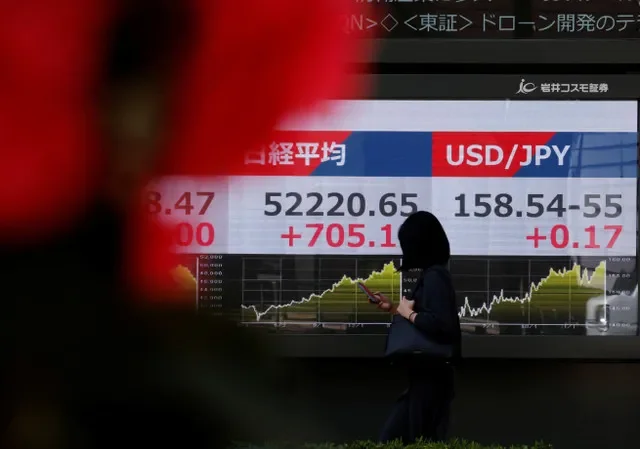
The STOXX 600 index climbed 1.2% by midday, though it remains down 7.5% for the month of March. In London, the FTSE 100 rose 1.1%, while futures for the S&P 500 indicated a positive opening for Wall Street. Amelie Derambure, a senior multi-asset manager at Amundi, noted that the market is currently pricing in the possibility of a diplomatic breakthrough.
(The) market is trading now the idea that peace talks or a ceasefire could be on the way.
Diplomatic efforts appear to be involving regional intermediaries, with reports suggesting that Pakistan delivered the American proposal and that either Pakistan or Turkey could serve as neutral venues for future de-escalation talks. However, an Iranian military spokesperson characterized the situation as the American government negotiating with itself.
Energy markets saw a reprieve as Brent Crude Oil Futures dropped 4.1% to $100.25 per barrel, while WTI Crude Oil Futures fell 3.7% to $88.91 per barrel. While the Strait of Hormuz remains effectively closed to most traffic, Iranian authorities suggested non-hostile vessels might be permitted to pass if they coordinate with local officials.
In the fixed-income market, government bond yields declined. Italy led the rally in sovereign debt as its yields fell, providing relief to an economy heavily reliant on energy imports. Meanwhile, the Euro / US Dollar pair slipped 0.1% to $1.1597. Economic sentiment in Germany took a hit, with business morale falling sharply as the ongoing conflict dampens the outlook for Europe's largest economy.
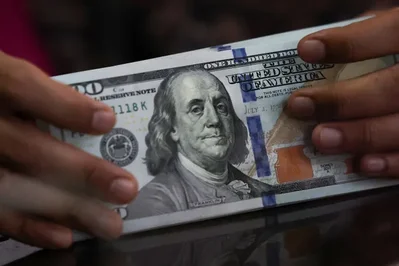
The US Dollar Index edged higher to 99.319, reflecting a slight strengthening of the greenback against a basket of major currencies. Gold Spot (XAU/USD) prices rose as the cooling of oil prices mitigated some immediate inflation anxieties, though the precious metal continues to serve as a hedge against broader geopolitical instability.
Chris Turner, global head of markets at ING, cautioned that it may be premature to expect a sustained softening of the dollar or energy prices. Adding to the cautious tone, BlackRock, Inc. CEO Larry Fink warned of significant economic risks during an interview with the BBC.
BlackRock CEO Larry Fink told the BBC that oil prices could reach $150 a barrel and cause a global recession.
The conflict has already triggered the most significant energy shock in modern history and continues to fuel global inflation. Gulf Arab states recently informed the United Nations that the current posture of the Iranian government represents an existential threat to the region.