European stocks see biggest weekly decline in nearly a year
The STOXX 600 fell 5.5% this week as the Middle East conflict and weak U.S. employment data weighed on sentiment. Energy and defense shares bucked the trend.

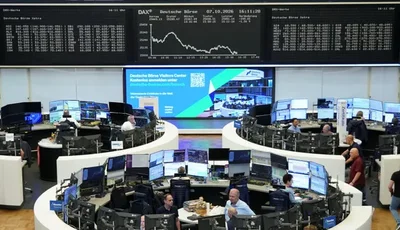
European equity markets concluded their most significant weekly retreat in nearly a year on Friday as the persistent conflict in the Middle East and disappointing labor data from the United States weighed on investor confidence. The pan-European STOXX 600 index declined 1% during the session, marking a 5.5% loss for the week and hitting its lowest point in over two months.
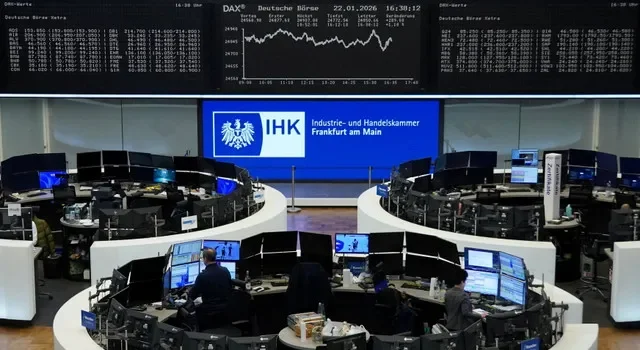
Major indices across the region faced sharp declines. Markets in Germany and France saw their worst weekly performances since April of the previous year, while equities in Spain recorded their largest weekly drop in four years. Sentiment was further pressured by geopolitical rhetoric as U.S. President Donald Trump demanded the unconditional surrender of Iran, potentially complicating efforts to resolve the ongoing regional war.
Financial and healthcare sectors were among the primary laggards. The banking index fell 1.7%, with HSBC Holdings plc losing 2.6% and Allianz SE dropping 1.6%. In healthcare, ZEALAND PHARMA A/S plummeted 36%, while Roche Holding AG fell 2.9% following disappointing trial results for an experimental obesity medication.
Economic uncertainty was exacerbated by data showing an unexpected decline in employment in the United States and a rising unemployment rate. These figures arrived as global central banks navigate a complex environment of high energy costs, with Brent Crude Oil prices reaching multi-month peaks and adding to inflationary concerns.
"With global geopolitical uncertainty elevated, it is reasonable to expect that job growth may remain subdued in the months ahead."
Angelo Kourkafas, senior global strategist at Edward Jones, noted that the combination of geopolitical risk and rising oil prices has placed the Federal Reserve in a challenging position. Meanwhile, European Central Bank officials have maintained a cautious stance, even as the region remains vulnerable to supply disruptions through the Strait of Hormuz.
"Europe is a bit more exposed to higher oil prices and theres some concerns that well see a stagflationary environment."
Ciaran Callaghan, head of European equity research at Amundi, highlighted the specific risks facing European markets. Despite the broader downturn, the energy sector managed a 0.8% gain on Friday. Defense companies also trended higher on expectations of increased demand, with Rheinmetall AG rising 2.9% and Leonardo gaining 3.4%.
In corporate news, SECTRA AB-B SHS jumped 14% after reporting strong third-quarter earnings. Conversely, Universal Music Group shares fell 8.1% after the company reported lower net profits and put its plans for a stock market listing in the United States on hold.