EU Leaders Urge Hungary to Lift Block on Ukraine Loan
EU leaders are pressuring Viktor Orban to approve a 90-billion-euro loan for Ukraine today. The blockade stems from a dispute over the Druzhba oil pipeline.

European Union leaders are set to convene in Brussels to exert significant pressure on Hungary to release a 90-billion-euro ($103 billion) loan intended for Ukraine. The financial package is considered vital for Kyiv to sustain its defense against the invasion launched by Russia. Although the bloc reached a political agreement on the loan in December, Hungarian Prime Minister Viktor Orban blocked its execution last month, citing a dispute over the war-damaged Druzhba pipeline.
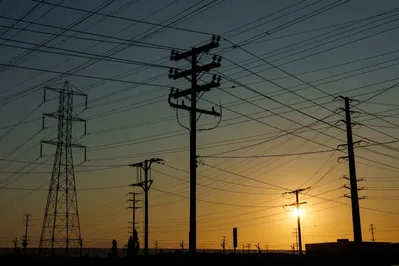
The pipeline, which facilitates the transport of Russian oil through Ukrainian territory to Slovakia and other nations, was reportedly damaged during an attack in January. While Ukrainian officials maintain that repairs will take time, Orban has insisted the infrastructure should be operational already. The focus on energy security and infrastructure integrity mirrors broader industry concerns shared by international operators like Pembina Pipeline Corporation, as geopolitical conflicts increasingly threaten global supply routes.
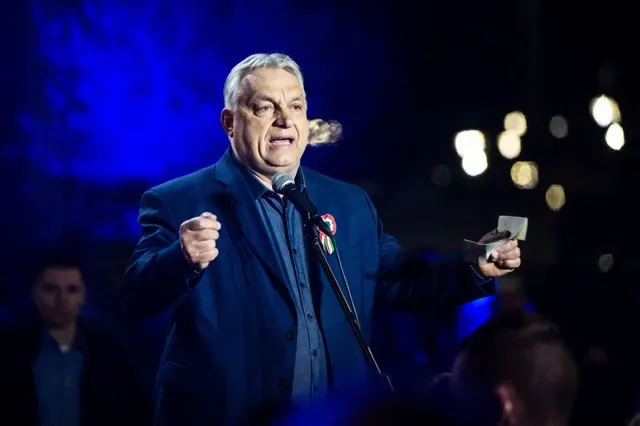
Diplomats suggest that EU leaders will highlight a recent commitment by Ukrainian President Volodymyr Zelenskiy to repair the pipeline with technical and financial support from the union. The objective is to convince Orban to abandon his veto. The Hungarian leader, a nationalist who has maintained ties with the Kremlin and is often viewed as an ally of political figures in the United States, has faced growing frustration from his peers while in the midst of a challenging re-election campaign.
The ongoing delay has raised alarms regarding the solvency of the Ukrainian government, which is expected to face a funding shortfall within weeks. Furthermore, the impasse has sparked concerns about the institutional credibility of the European Council. Many officials are particularly critical of the blockade given that Hungary, the Czech Republic, and Slovakia were granted an opt-out from the costs associated with the loan.
"In December, we took a political decision - a political decision at the level of the European Council. Now is the time to deliver," stated Cyprus President Nikos Christodoulides during an event in Brussels.
"I dont want to think of a scenario where the European Union decides something at the level of the European Council, at the level of 27 leaders, and this political decision is not implemented," he added.
Despite the mounting pressure, Orban has shown little sign of relenting. In a recent social media post, he reiterated his stance, linking the financial aid directly to the restoration of energy flows.
"No oil deliveries? No money. Its that simple," Orban posted on X.
The summit on Thursday remains a critical juncture for the European Union as it seeks to maintain a unified front in its support for Kyiv.