EU extends sanctions on individuals linked to Russia war
The EU extended sanctions on 2,600 individuals and entities for six months. These measures include asset freezes and travel bans through September 15.

The European Union has officially extended its sanctions regime for an additional six months, targeting individuals and entities identified as supporters of the military campaign in Ukraine. This extension comes after a period of diplomatic deadlock within the bloc, primarily driven by objections from Hungary and Slovakia.
Restrictive measures targeting those responsible for undermining or threatening the territorial integrity, sovereignty and independence of Ukraine had been prolonged until September 15.
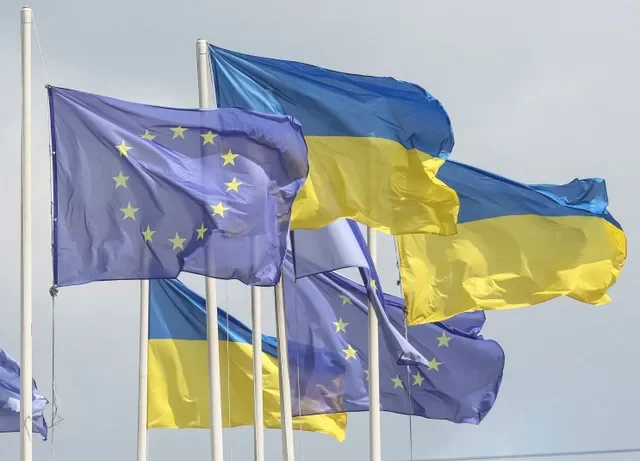
Currently, approximately 2,600 individuals and entities are subject to these measures, which include travel restrictions, the freezing of assets, and a ban on making funds or economic resources available to those listed. While the majority of the sanctions were maintained, the Council did lift restrictions on two living individuals and removed five deceased persons from the list. Among those removed was Niels Troost, a businessman from the Netherlands who had been sanctioned for his involvement in trading oil from Russia.
Diplomatic sources noted that both Hungary and Slovakia had previously advocated for the removal of several Russian oligarchs from the sanctions list. These nations have also raised concerns regarding the flow of oil through the Druzhba pipeline, which remains a critical piece of energy infrastructure for the region. In the context of global energy logistics, the operations of firms such as Pembina Pipeline Corporation are often monitored as benchmarks for midstream stability as Europe continues to navigate its shift away from traditional Russian energy supplies.
Hungarian Prime Minister Viktor Orban has also urged the European Union to suspend energy-related sanctions, citing the economic pressure of soaring prices. He noted that these costs have been further impacted by regional instability, including the conflict in Iran. EU sanctions have continued to expand steadily since the invasion of Ukraine began in February 2022.