
EU and US Trade Officials Discuss Tariffs and Minerals
EU and US trade officials met in Cameroon to discuss critical minerals and tariffs. Both sides reaffirmed their commitment to the Turnberry trade agreement.

The European Union trade commissioner, Maros Sefcovic, held a productive meeting with United States Trade Representative Jamieson Greer on the sidelines of the World Trade Organization ministerial meeting in Cameroon. The discussions focused on advancing cooperation regarding critical minerals and addressing ongoing tariff concerns between the two major trading powers.
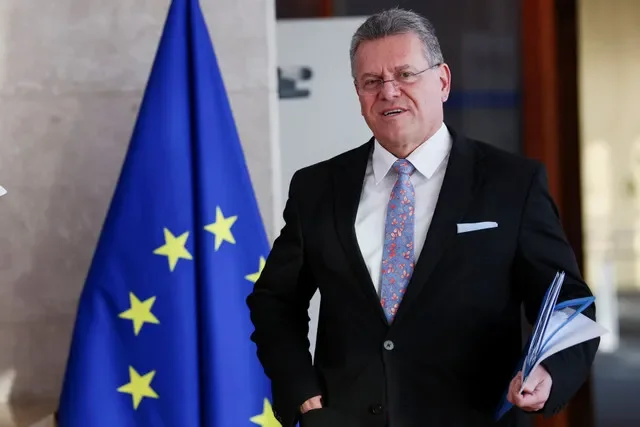
Following the meeting, Sefcovic confirmed that both nations are looking to deepen their strategic partnership.
We agreed with the United States to further advance work on critical minerals.
This diplomatic engagement coincides with legislative progress in Europe. On Thursday, lawmakers moved forward with measures to implement the European side of a trade deal struck in Turnberry, Scotland, last July. The agreement had faced months of uncertainty due to potential tariff threats and new import levies. To mitigate risks, the legislation includes specific safeguards to ensure compliance from the American side.
The current trade arrangement involves a 15% import tariff on the majority of European goods, which is half of the rate originally proposed. This compromise helped avoid a broader trade conflict between the allies, who together account for nearly a third of global trade activity. Sefcovic highlighted the importance of the recent legislative vote and his meeting with Greer as signs of stability.
It demonstrates on both sides, despite turbulences on the global stage, and that we are sticking to the agreement.
The economic ties between the two regions remain robust, with the U.S. serving as the largest trading partner for the bloc. European exports to the U.S. reached a record 555 billion euros ($641 billion) in 2025. Sefcovic noted that the EU is also pursuing broader trade objectives globally.
Our agenda for the future will be working as much as possible with all the partners who want to have a free trade agreement with us ... and of course to lower tariffs with the partners with whom we are already trading.