
Dollar Weakens as Global Central Banks Signal Rate Hikes
The dollar fell as central banks signaled rate hikes to combat energy-driven inflation. While the Fed remains on hold, other major economies are now pivoting.

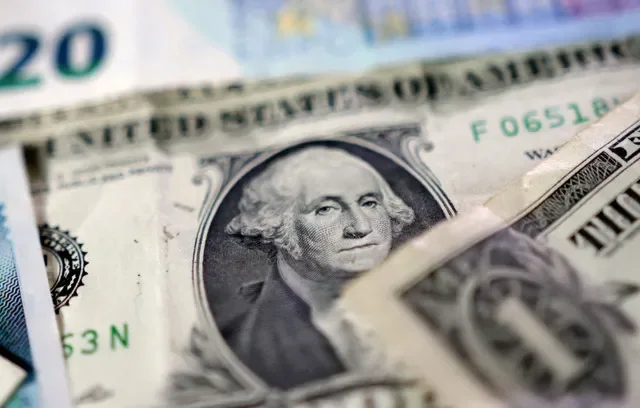
The United States dollar retreated from multi-month peaks this week as a significant surge in energy costs prompted global central banks to adopt more hawkish stances. The geopolitical conflict involving Israel and Iran has disrupted energy supplies, leaving the Federal Reserve as the only major institution not expected to raise interest rates this year. Prior to the escalation in late February, investors had anticipated two rate cuts from the Fed in 2026, but such prospects have now faded.
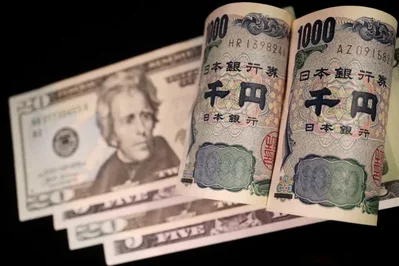
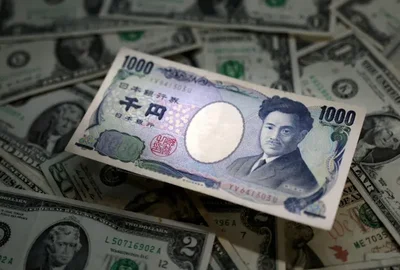
Major currencies including the Euro, the Japanese Yen, the British Pound, the Switzerland franc, and the Australia dollar are all positioned for weekly gains against the greenback. In Hong Kong, the euro was trading at $1.1569, marking a 1.4% rise for the week, while the yen strengthened to 157.88 and sterling climbed to $1.3422. The primary catalyst is the 50% jump in Brent Crude Oil prices since the start of the war, which has disrupted supply routes from major producers like Qatar, where a gas plant was recently damaged.
While the European Central Bank maintained current rates on Thursday, it signaled that discussions regarding future hikes could begin as early as next month to combat energy-driven inflation. This contrasts with the Federal Reserve's cautious approach. In the United Kingdom, the Bank of England hinted at readiness for action, leading markets to price in 80 basis points of hikes by the end of the year. Similarly, the Bank of Japan indicated a potential rate increase as early as April, surprising investors who had expected further yen weakness.
Analysts at JPMorgan Chase & Co. observed that the ECB appears more sensitive to the current energy shock compared to the Federal Reserve's wait-and-see stance.
While the Fed is willing to display patience in the face of a shock generating two-sided risks to its mandate, the ECB seems unusually sensitive.
The Reserve Bank of Australia also implemented its second rate hike in two months, further supporting its currency. Despite the current dollar decline, some analysts expect the trend to reverse if the conflict continues. Carol Kong, a strategist at Commonwealth Bank of Australia, noted that the dollar could regain strength through safe-haven demand.
The longer the war drags on, the higher the U.S. dollar will go, because it will benefit from safe-haven demand arising from higher uncertainty and also from the U.S. being an energy exporter.