Cuba starts talks with U.S. government amid oil blockade
Cuba has opened talks with the U.S. to address a severe oil blockade and economic crisis. The island has received no fuel in three months as shortages persist.

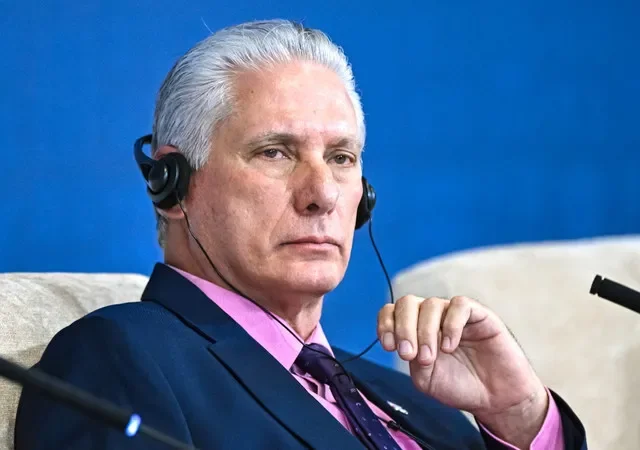
President Miguel Diaz-Canel announced that Cuba has initiated discussions with the United States government. This diplomatic move comes as the island nation grapples with a deepening economic crisis and significant pressure from the American administration.
\"These talks have been aimed at finding solutions through dialogue to the bilateral differences we have between the two nations,\" Diaz-Canel said in a video aired on state television.
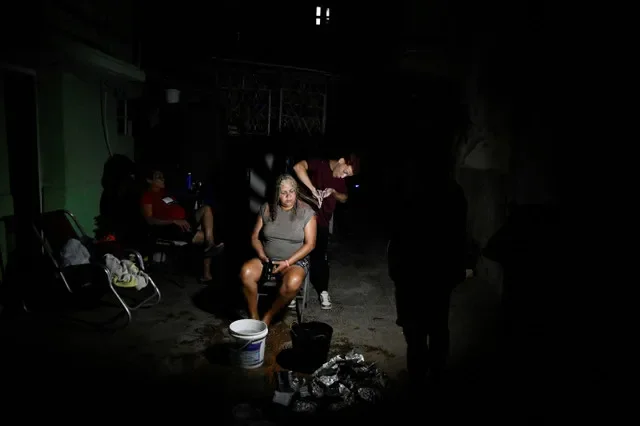
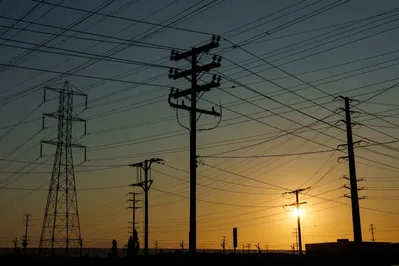
The Caribbean nation is currently enduring prolonged electricity blackouts and critical fuel shortages. These issues have been intensified by a U.S.-led oil blockade. Since the removal of the leadership in Venezuela earlier this year, which served as a primary benefactor, oil shipments to the island have been halted. During a subsequent press conference, Diaz-Canel revealed the severity of the energy situation, noting that no fuel has entered the country for three months. This has depleted reserves of diesel and fuel oil, making the national electrical grid increasingly unstable.
\"No fuel has entered Cuba in three months,\" Diaz-Canel stated, describing the resulting instability of the electrical infrastructure.
In response to the blockade, the government is attempting to bolster energy independence by increasing domestic crude oil and gas production, alongside expanding solar power generation. The ongoing talks are being led on the Cuban side by Diaz-Canel and former President Raul Castro. While the specific U.S. participants were not fully disclosed, U.S. officials have indicated that Secretary of State Marco Rubio is involved. The discussions are reportedly in their early stages. The Cuban leadership emphasized that any agreement must be based on mutual respect for sovereignty and political systems.
In a related development, the government announced it would release 51 prisoners following an agreement involving Vatican City. This move follows a recent meeting between Foreign Minister Bruno Rodriguez and the Pope. Historically, the Holy See has played a mediatory role in diplomatic relations between the two countries, notably during the rapprochement in 2014.