Indian Firms Reassess FX Hedges as Rupee Hits Record Low
Indian firms shift to forward contracts as oil prices push the rupee to record lows. Rising volatility is causing losses for many corporate currency hedgers.

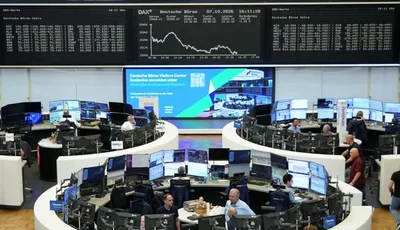
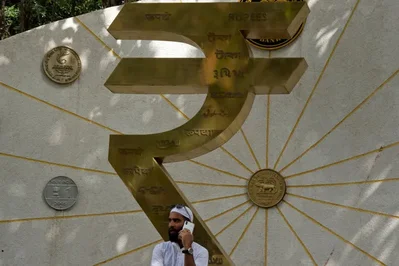
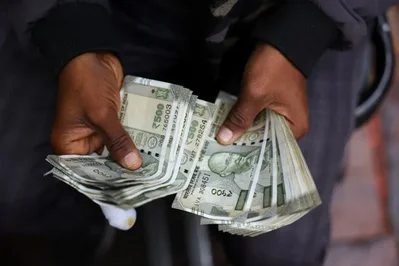
Market turbulence triggered by the conflict involving Iran is significantly impacting corporate foreign exchange hedging in India. As energy prices climb, impacting benchmarks like the iPath Pure Beta Crude Oil ETN, the U.S. Dollar / Indian Rupee pair has reached record lows beyond 92. This volatility has disrupted existing hedging frameworks that previously relied on a stable currency environment. The current market environment has exposed the vulnerabilities of zero-cost option structures commonly used by Indian corporations. While these instruments are cost-effective, they offer limited protection during periods of high volatility. Implied volatility for the rupee has surged to 6.6%, a nine-month peak, up from less than 5% prior to the regional conflict. Abhishek Goenka, chief executive at FX advisory firm IFA Global, which serves over 900 clients with $20 billion in exposure, highlighted the impact on corporate strategies. > "Many of the popular corporate hedges are short-volatility strategies." When volatility increases, these positions often result in mark-to-market losses. Consequently, many businesses are shifting their preference toward forward contracts, which provide more certainty during periods of high market stress. A major steel producer and a large conglomerate have reportedly adjusted their strategies after finding their option-based hedges insufficient. Importers, particularly oil marketing companies, have increased their dollar purchases regardless of the exchange rate, contributing to a rise in forward premiums. The cost of hedging against rupee weakness over a one-year period has increased by approximately 20 basis points since the start of the war. Exporters are also facing challenges despite the weaker rupee, which typically benefits them. Many firms had increased their hedge ratios following a trade agreement between India and the United States last month. However, the subsequent plunge of the rupee to new lows has left some of these positions underwater. Abhijeet Bhushan, CFO at Hari Krishna Exports, noted the difficulty in timing the market under current conditions. > "The rupee is at levels we would typically want to lock in." With annual forex exposure exceeding $600 million, the firm is now more selective about its hedging decisions as it navigates the ongoing uncertainty.