China to keep benchmark lending rates steady after GDP data
China is expected to keep lending rates steady after first-quarter growth hit five percent. Analysts see less need for stimulus as inflation pressures rise.

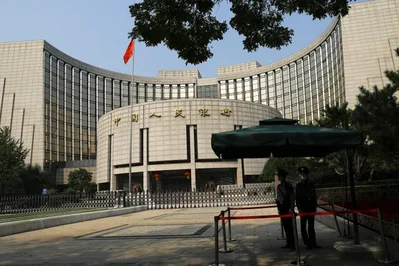
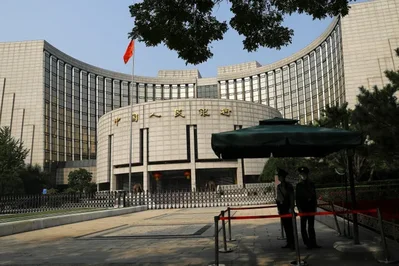
China is expected to leave its benchmark lending rates unchanged for an 11th consecutive month in April, as robust first-quarter growth and a pick-up in inflation have weakened the case for additional monetary stimulus. The nation's economy logged 5.0% growth this week, picking up from 4.5% in the previous quarter and reaching the top of its full-year target range. Even before the GDP figures were released, it was evident that the world's second-largest economy was weathering the conflict involving Iran better than many others, prompting major investment banks to walk back calls for rate cuts. They now expect official interest rates to remain steady throughout the year. The loan prime rate (LPR), normally charged to the best clients of commercial banks, is calculated each month after 20 designated banks submit proposed rates to the People's Bank of China (PBOC). In a survey of 20 market participants this week, all respondents predicted that the one-year and five-year LPRs would remain steady at 3.00% and 3.50%, respectively, at the next review on Monday. In addition to the upbeat GDP figures, factory-gate prices in March turned positive for the first time in more than three years, pointing to rising import cost pressures. > Stronger-than-expected first-quarter GDP data, combined with the recent reflationary trends, may keep the PBOC on hold until conditions warrant monetary policy support, Lynn Song, ING's chief economist for Greater China, said in a note. > Raymond Yeung, chief economist for Greater China at ANZ, noted that keeping rates steady would be consistent with the PBOC's preference to manage conditions via structural tools rather than rate cuts while growth remains near target. The central bank has stated it will maintain an appropriately loose monetary stance this year, deploying tools including cuts to reserve requirements and interest rates to keep liquidity ample.