China iron ore imports rise 10 percent in early 2026
China imported 210.02 million tons of iron ore during January and February. The 10 percent increase was driven by strong Australian exports and local demand.

China reported a 10% increase in iron ore imports during the first two months of 2026, driven by a combination of strong supply from major exporters and resilient domestic demand. Customs data released on Tuesday showed that the nation imported 210.02 million metric tons of the essential steelmaking ingredient in January and February, up from 191.36 million tons during the same period the previous year.
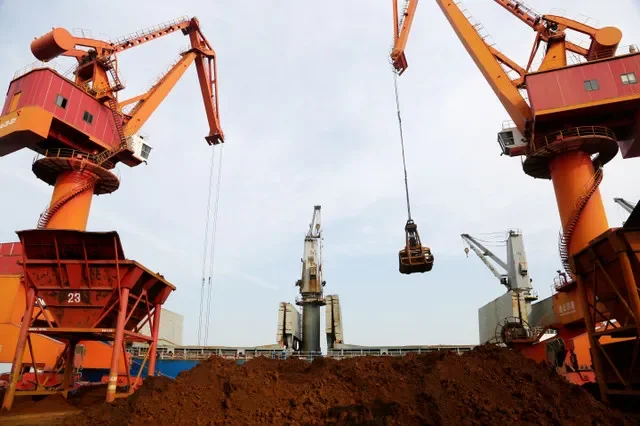
The surge in volume was largely attributed to a high level of shipments from Australia in December, which faced fewer weather-related interruptions than in previous cycles. Alexis Ellender, an analyst at ship-tracking firm Kpler, noted that these conditions facilitated a smoother flow of raw materials into Chinese ports. Analysts typically combine data for the first two months of the year to account for the seasonal impact of the Lunar New Year holiday.
The growth was mainly attributable to strong December exports from Australia as there were fewer weather-related disruptions than a year earlier.
Domestic industrial activity also supported the higher import figures. According to data from the consultancy Mysteel, average daily hot metal output—a primary indicator of iron ore consumption—grew by 1.2% year-on-year during the first two months of 2026. The monthly average for this period reached 105.01 million tons, a decrease from the 119.65 million tons seen in December, though Kpler forecasts March imports will remain steady at approximately 105 million tons.
In the broader market, junior miners such as CENTRAL IRON ORE LTD continue to watch these volume trends as a gauge for global demand. At the same time, international steel manufacturers like Steel Dynamics, Inc. are observing how shifts in Chinese trade policy might affect global pricing and supply chains.
While iron ore imports rose, China's steel exports saw a decline of 8.1% during the same period, totaling 15.59 million tons. This slowdown is linked to the implementation of a new export licensing system designed to regulate the flow of metal and mitigate international protectionist pressures. Beijing had previously announced this regulatory framework in December as a means to stabilize the domestic industry and manage global trade relations.