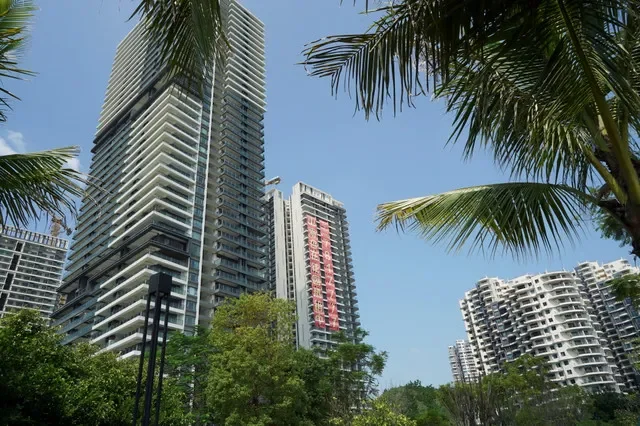
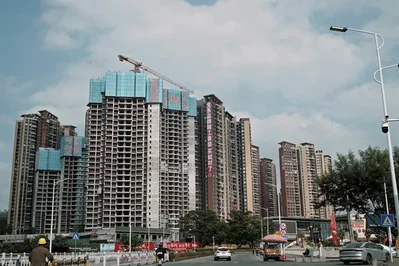
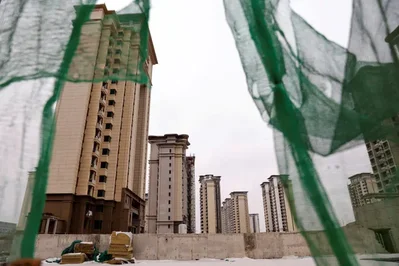
The ongoing downturn has significantly impacted household wealth and dampened consumption across the country. Lulu Shi, director of Asia-Pacific corporate ratings at Fitch Ratings, noted that the sector faces deep-seated structural hurdles, including demographic changes, employment uncertainty, and high levels of unsold housing stock.
"Shi said stabilising the sector would require a broad policy package to support the economy, improvements in labour-market conditions and reduced housing inventory, adding that the process would take time."
Despite various measures introduced since the 2021 market crisis—including the easing of purchase restrictions and reduced down-payment requirements—demand has failed to recover. Zichun Huang, an economist at Capital Economics, observed that the market has likely not yet reached its trough.
"A clear signal that policymakers are willing to devote substantial fiscal resources to reduce the stock of unsold homes would mark a potential turning point, Huang said."
The poll results also point toward continued weakness in market activity for the remainder of the year. Property investment is forecast to contract by 10.3%, while total sales are expected to decline by 6.5%.
In response to the crisis, Chinese policymakers have pledged to stabilize the market by optimizing the use of existing housing stock. This strategy includes a plan to purchase unsold homes and convert them into government-subsidized housing, as outlined in an official report from early March. However, the success of these measures remains uncertain.
"Home prices could fall more than we forecast if macro-level government policies fail to boost confidence, potentially causing further market disruption through rising residential mortgage delinquencies and increased instances of negative equity, Shi said."