China detains Panama vessels amid port control battle
US officials are monitoring China's detention of 70 Panama-flagged ships. The move follows a court ruling shifting canal port control to US-linked operators.

The United States Federal Maritime Commission (FMC) is monitoring a significant increase in the detention of vessels flagged in Panama by authorities in China. This surge in maritime enforcement appears to be a response to a recent judicial decision in Central America that stripped a major Hong Kong firm of its port operations.
In late January, the Supreme Court of Panama invalidated the legal framework for a 1997 concession held by CK HUTCHISON HOLDINGS LTD. The ruling effectively ended the company's control over the Balboa and Cristobal terminals, which serve as critical gateways on both the Pacific and Atlantic sides of the Panama Canal.
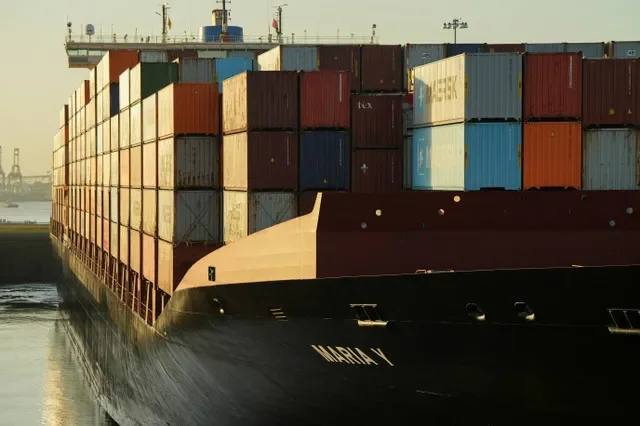
Following the court's decision, the Panamanian government designated subsidiaries of AP MOLLER-MAERSK A/S-A and Mediterranean Shipping Company (MSC) as interim operators under 18-month agreements. This transition follows a period of diplomatic pressure from Washington to limit Chinese commercial influence near the strategic waterway, which facilitates roughly 5% of global trade.
FMC Commissioner Laura DiBella noted that the number of detentions has reached nearly 70 since early March, a figure that deviates sharply from historical patterns. DiBella suggested the intensified inspections appear intended to punish the Panamanian government following the transfer of port assets.
Given that Panama‑flagged ships carry a meaningful share of U.S. containerized trade, these actions could result in significant commercial and strategic consequences to U.S. shipping.
The FMC maintains the legal authority to investigate whether foreign government practices are unfairly harming trade. In a parallel development, the Chinese Ministry of Transport reportedly summoned representatives from Maersk and MSC to Beijing for high-level discussions.
CK Hutchison has contested the court's ruling, alleging that Panamanian authorities unlawfully seized its property. The company has initiated international arbitration seeking over $2 billion in damages. Furthermore, the geopolitical tension complicates a proposed $23 billion deal to sell a majority stake in its global ports business to a consortium including BlackRock, Inc. and MSC. Chinese officials have not yet provided a formal comment on the situation.