Central Banks Face Inflation Risks as Oil Prices Climb
Central banks meet this week to weigh inflation risks as oil prices top 100 dollars. Meta is reportedly planning to lay off 20 percent of its global workforce.

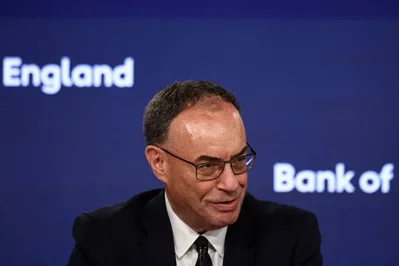
Global financial markets are currently navigating a complex landscape defined by escalating geopolitical tensions and a series of high-stakes central bank meetings. As the conflict in Iran enters its third week, energy prices have remained elevated, with Brent Crude Oil maintaining a position above $100 per barrel. The United States recently conducted strikes against Kharg Island, a primary oil export terminal, while the administration continues efforts to secure the Strait of Hormuz. While India successfully navigated tankers through the region, the broader international response to forming a naval coalition remains mixed. Monetary policy will be the primary focus for investors this week. Major institutions, including the Federal Reserve, the European Central Bank, the Reserve Bank of Australia, and the Bank of England in the United Kingdom, are all scheduled to hold policy meetings. Market participants are particularly attentive to how central bankers will balance the dual risks of energy-driven inflation and slowing economic growth. In Asia, market sentiment was varied on Monday. Japan's Nikkei index saw a slight decline of 0.3%, while the KOSPI in South Korea rose by more than 1%. In China, economic data for the first two months of the year showed stronger-than-expected retail and industrial performance, though these figures do not account for the recent disruption in oil markets. Diplomatic efforts continue in France, where U.S. and Chinese officials, led by Treasury Secretary Scott Bessent, are engaged in trade talks. However, the ongoing crisis in the Middle East threatens to overshadow these discussions and potentially delay future state visits. In the corporate sector, reports indicate that Meta Platforms, Inc. may be preparing for significant staff reductions, with sources suggesting layoffs could affect up to 20% of its workforce. Meanwhile, regional instability continues to impact global travel. Authorities in the United Arab Emirates reported a drone incident at Dubai International Airport, which, along with hub closures in Qatar, has left thousands of passengers stranded. Looking ahead, market participants will be watching for industrial production data from the U.S. and the latest inflation figures from Canada to gauge the broader economic impact of current global events.