Rising Energy Prices Threaten Brazil Cooking Gas Program
Brazil announced a 330 million real subsidy to protect its Peoples Gas program from rising energy costs. Resellers warn they may quit due to low profit margins.

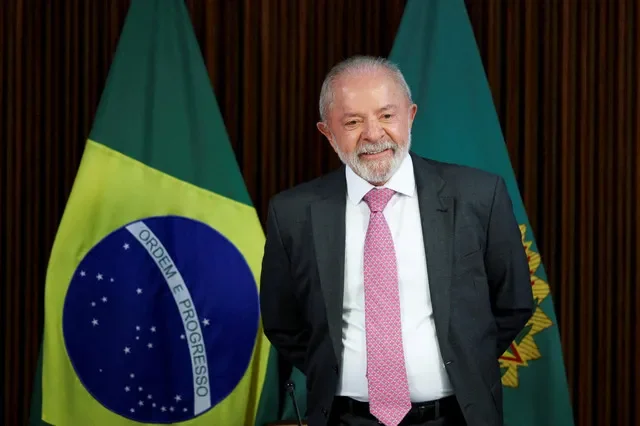
A surge in global energy prices is threatening a flagship social program in Brazil that provides free cooking gas to approximately 50 million citizens. The Peoples Gas initiative, launched by President Luiz Inacio Lula da Silva, faces significant pressure just six months before the national presidential election.
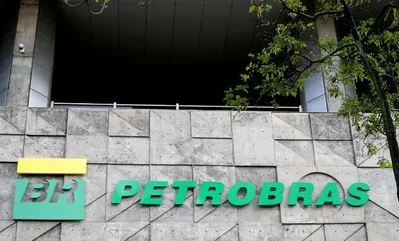
The geopolitical conflict involving the United States, Israel, and Iran has triggered a sharp rise in liquefied petroleum gas (LPG) costs. This volatility was reflected in a recent auction by the state-controlled energy giant PETROLEO BRASILEIRO-SPON ADR, which saw premiums reach double the reference prices. In response to the high costs, President Lula announced intentions to annul the tender and the government introduced a 330-million-real subsidy for LPG imports to buffer the domestic market.
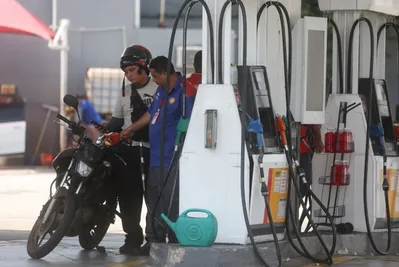
Fuel distributors and resellers warn that the current pricing structure is unsustainable. Jose Luiz Rocha, head of the Abragas gas resellers association, noted that the rules of the Peoples Gas program prevent providers from passing on increased costs to consumers.
"Because the profit margin is small, the reseller ends up losing money."
Rocha indicated that many resellers are now threatening to withdraw from the program. While the government initially projected the program would cost 5.1 billion reais ($991 million) this year, the budget was later adjusted to approximately 4.7 billion reais ($914.52 million). Industry representatives are currently in discussions with the government regarding potential price adjustments, though the Ministry of Mines and Energy has not yet provided an official comment.
Marcelo Colomer, an energy expert at UFRJ university, suggested that the extreme market volatility requires a more flexible approach to pricing within social initiatives.
"What needs to be considered is an extraordinary mechanism, perhaps associated with the program, to mitigate these types of situations."
The program has expanded significantly under the current administration, now reaching nearly a quarter of the Brazilian population. However, structural challenges remain, particularly in remote regions where the program relies heavily on small-scale resellers. These businesses are facing a double blow as the cost of transporting LPG canisters has risen alongside diesel prices.
Some resellers have already expressed intentions to boycott the program or stop accepting vouchers due to the inability to cover operational costs. Rocha warned that if the situation is not resolved, it could lead to widespread shortages for the program's beneficiaries.
"The beneficiaries will complain that they are looking for gas and cant find where to get it."
The potential for a breakdown in the supply chain poses a significant political risk for the administration. Resellers emphasize that while they support the program's goals, the financial burden has become unmanageable.
"We want to help, but it has to be at a fair price."