Brazil Fertilizer Prices Rise Amid Middle East Conflict
Agriculture Minister Carlos Favaro warned that Middle East tensions are driving up urea prices. Farmers are now switching to cheaper alternatives as costs rise.

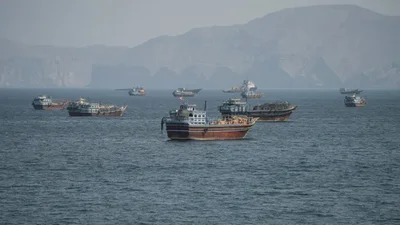
The agricultural sector in Brazil is facing potential supply disruptions and significant price volatility for fertilizers as conflict in the Middle East intensifies. Agriculture Minister Carlos Favaro warned on Tuesday that the ongoing hostilities involving the United States, Israel, and Iran have already triggered a sharp increase in local urea prices. Favaro criticized market participants for what he described as opportunistic pricing, noting that some sellers suspended sales or raised prices on inventories that were already held within the country before the recent escalation. > "It is a concern, naturally. There is a sense that there is a certain opportunism in the market, after all, stocks already present in Brazil have been repriced. That makes no sense." The geopolitical instability has centered on the Strait of Hormuz, a critical maritime corridor where approximately one-third of the global seaborne fertilizer trade passes. Market pressures have mounted since late February, leading to concerns over the stability of the nation's farm sector, which imported a record 45.5 million metric tons of fertilizers in 2025. According to a report from StoneX Group Inc., the price of urea delivered to the Brazilian market surged by approximately 35% within a two-week window. This rapid appreciation has made the product significantly less attractive to buyers, potentially forcing a shift toward more affordable alternatives. Data cited by the brokerage indicates that urea imports fell by 33% in the first two months of the year compared to the same period in 2025. Conversely, imports of ammonium sulfate, a cheaper nitrogen source with a lower nutrient concentration, rose by 19% as farmers sought to mitigate rising costs. While urea remains a preferred choice for many farmers due to its high nutrient density, the combination of high input costs and lower prices for agricultural exports is creating a challenging environment. Analysts suggest that if the conflict persists, the trend toward lower-cost alternatives is likely to accelerate as producers attempt to protect their margins.