Braskem weighs debt protection as interest payments loom
Braskem faces heavy interest payments despite rising petrochemical prices. A delayed management change and high debt levels continue to pressure the producer.

The long-term outlook for BRASKEM SA has been bolstered by rising petrochemical prices, though the company continues to grapple with significant debt obligations. While operations across Brazil, the United States, and Mexico benefit from a strengthening market, the immediate financial pressure remains a primary concern for the producer.
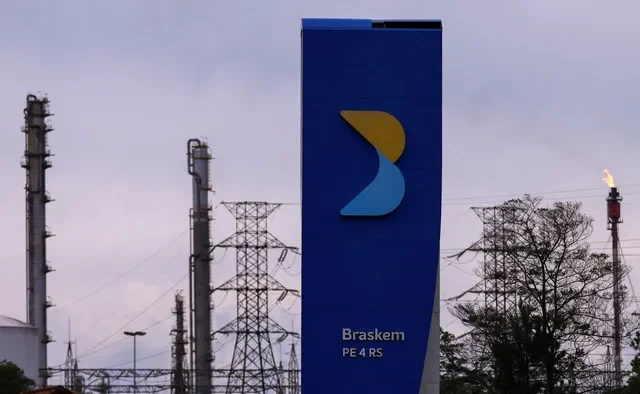
Reports indicate that the company is currently evaluating the possibility of seeking an injunction to prevent a difficult debt restructuring process. This comes as the improved market environment has yet to provide the short-term liquidity needed to manage upcoming liabilities. Analysts at Citibank recently adjusted their target price for the company’s shares from 8 to 10 reais, pointing toward improved petrochemical spreads caused by supply chain disruptions in the Middle East.
Financial challenges are mounting as the company faces approximately $100 million in interest payments on international bonds due by the middle of this year. Furthermore, debt pressures are intensifying at its Braskem Idesa joint venture. By the end of 2025, the firm is projected to hold $9.4 billion in debt against a cash reserve of $2.1 billion, following a period where industry spreads remained significantly below historical averages.
The internal transition of power has also faced setbacks. A planned management change, involving the sale of a controlling stake by the Brazilian conglomerate Novonor to the private equity firm IG4 Capital, has been delayed. Originally slated for early 2026, the handoff is now expected around May. This transition involves shared control with the state-run oil entity Petrobras, the second-largest shareholder in the company.
Despite these hurdles, investor sentiment has remained relatively resilient. Shares have climbed approximately 15% this year, reaching 9 reais, driven by expectations surrounding the management shift. Market experts suggest that the improved operational environment might alleviate the immediate need for aggressive capital structure adjustments or debt renegotiations with creditors.