BOJ likely to delay interest rate hike until June or July
Former economist Seisaku Kameda says the BOJ will wait until June to raise rates. Middle East tensions and market volatility make an April hike less likely.

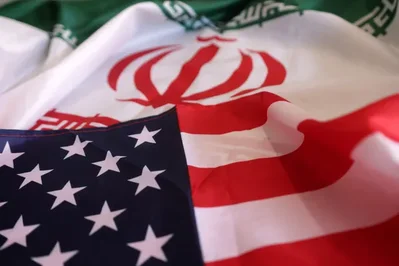
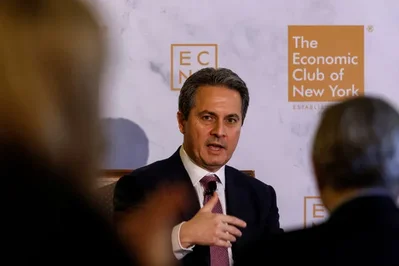
The Bank of Japan is expected to postpone its next interest rate hike until June or July as the ongoing conflict in the Middle East continues to destabilize global financial markets, according to Seisaku Kameda, the central bank's former top economist. Prior to the recent military actions involving the United States and Israel against Iran, the central bank was widely believed to be targeting an April rate increase. Kameda, who now serves as an executive economist at the Sompo Institute Plus in Japan, noted that Governor Kazuo Ueda had previously signaled a readiness to tighten policy if economic conditions remained resilient. However, the current geopolitical instability has complicated this path, making a near-term shift less likely. > "If the conflict turns out to be short-lived and de-escalates this month, the BOJ may still opt to raise its policy rate to 1.0% from 0.75% in April." Despite the possibility of a spring move, Kameda believes the lack of a clear resolution to the regional war will force the central bank to stand pat to avoid exacerbating market volatility. He warned that the bank is already behind the curve in addressing mounting inflationary pressures, a risk that could be intensified by rising oil prices and a weakening yen. > "But with no near-term end in sight to the war, the BOJ will likely wait until around June or July to avoid shifting policy at a time of heightened market volatility." The central bank ended a decade of massive stimulus in 2024, raising rates several times to reach a 30-year high of 0.75% in December. While markets currently price in a roughly 60% chance of an April hike, the memory of July 2024 remains a cautionary tale for policymakers. During that period, an unexpected rate hike was blamed for triggering a significant market rout, a scenario the bank is keen to avoid repeating. Ueda has maintained that the bank will scrutinize upcoming data before making a final decision. Kameda suggested that without the crisis involving Tehran, an April hike would have been the most likely outcome, as internal assessments suggest the nation is close to meeting its long-term inflation targets.