
Asian Stocks Decline as Oil Prices Rise Amid War Tensions
Global markets face volatility as Middle East tensions drive oil prices higher. Asian stocks are set for their largest weekly decline in six years this week.

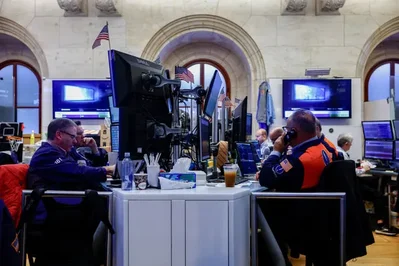
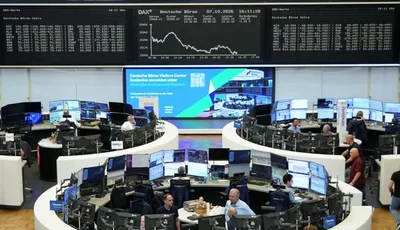
Global financial markets are navigating a period of intense volatility as geopolitical tensions in the Middle East collide with critical economic data. On Friday, stock futures in the United States and Europe showed modest gains, attempting to recover from a week defined by uncertainty. This slight optimism followed a minor retreat in energy prices, as reports surfaced that the American government is considering intervention in the futures market to curb the recent spike in Brent Crude Oil.
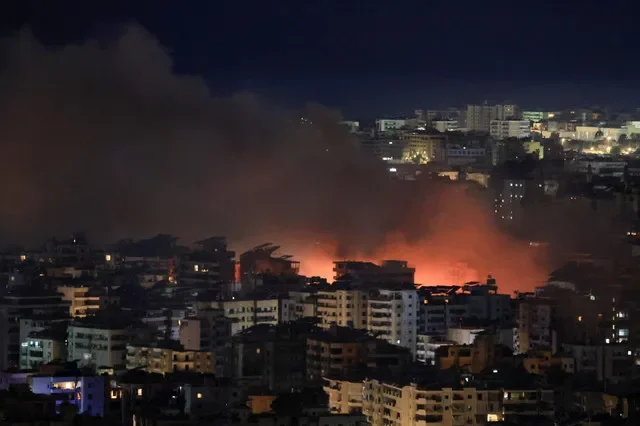
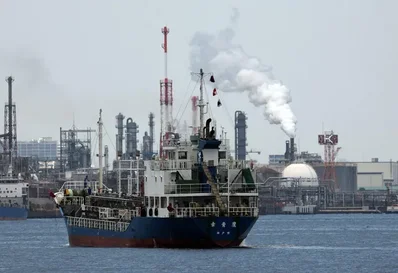
The conflict continues to exert significant pressure on global logistics, impacting everything from international shipping lanes to commercial aviation. Political rhetoric has also intensified, with U.S. President Donald Trump indicating a desire for involvement in determining the future leadership of Iran. These developments have kept energy markets on edge, with crude prices tracking toward their most substantial weekly increase since the invasion of Ukraine by Russia in early 2022.
In Asia, equities suffered their worst weekly performance in six years as investors grappled with the dual threats of war and persistent inflation. Hawkish sentiment is growing, with market participants pricing in more aggressive interest rate trajectories from major central banks, subsequently driving bond yields higher.
Amid the geopolitical noise, the focus remains on the upcoming February nonfarm payrolls report. The world's largest economy is projected to have added 59,000 jobs in February, a sharp deceleration from January's 130,000 gain. The unemployment rate is projected to hold steady at 4.3%. While analysts are watching for early signs of labor displacement related to artificial intelligence, the primary concern remains whether the data will signal a broader economic slowdown or a problematic rise in joblessness. Key developments that could influence markets on Friday include speeches from Federal Reserve officials Daly, Paulson, Collins, and Hammack.