Stocks Rise and Oil Eases on Extended Iran Deadline
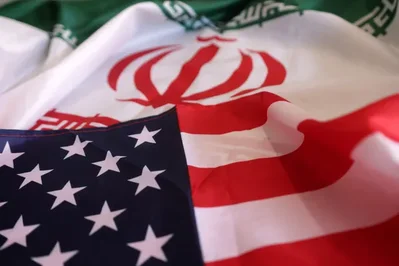
Asian shares rose and oil eased as Trump extended a deadline for Iran to reopen the Strait of Hormuz. This move calmed energy shock fears in the global markets.

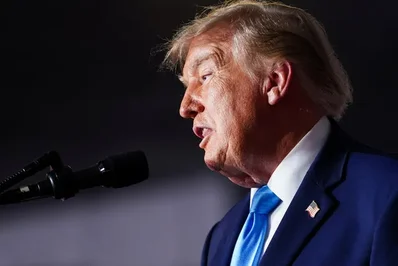
Financial markets in Singapore and across Asia saw a significant rebound on Tuesday as geopolitical tensions eased slightly. United States President Donald Trump announced a postponement of planned strikes against the power grid in Iran, providing a temporary reprieve for global energy markets.
Investors reacted positively to the decision to extend a deadline for the reopening of the Strait of Hormuz by five days. MSCI Inc.'s broadest index of Asia-Pacific shares outside Japan climbed 1.3%, while markets in Australia gained 0.7%. In Tokyo, the Nikkei index surged more than 2%, reversing most of the losses sustained during the previous session.
It's a negotiating tactic... I don't think that the U.S. administration wants to see oil at $150 because they themselves provoked it.
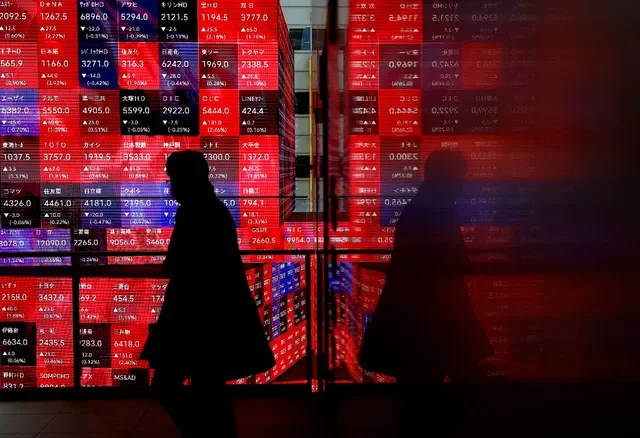
Despite the relief rally, market participants remain cautious as the conflict in the Middle East continues to influence price action. Oil prices edged higher on Tuesday morning following a 10% plunge in the prior session. Brent crude futures hovered around $100.94 per barrel, while U.S. crude rose to $89.84. Analysts suggest that the volatility is unlikely to disappear completely until a more permanent resolution is reached.
Price action could remain choppy into Friday's revised deadline... The key question is whether participants see this as a genuine extension that brings a deal closer, or simply a delay that prolongs uncertainty.
In the bond markets, U.S. Treasury yields stabilized after a sharp overnight decline. The shift in the geopolitical landscape has led many investors to scale back their expectations for aggressive interest rate hikes from major central banks. While the Federal Reserve is currently expected to maintain steady rates, traders have significantly reduced their bets on multiple hikes from the Bank of England and the European Central Bank this year.
Unless the Strait (of Hormuz) is reopened very quickly, we are still more likely than not to see higher interest rates and a meaningful increase in oil importers costs in the coming weeks.
The U.S. dollar retreated as improved risk sentiment lowered demand for safe-haven currencies. The euro climbed to $1.1603, and sterling remained near a two-week high at $1.3420. Meanwhile, economic data from Tokyo showed that core consumer inflation slowed to 1.6% in February, falling below the 2% target for the first time in nearly four years. This development adds a layer of complexity for Japanese policymakers considering future monetary tightening.