
Wall Street indexes fall as Middle East tensions escalate
US stocks fell Tuesday as officials signaled intensifying strikes in Iran. Energy and travel sectors led declines amid persistent global inflation concerns.

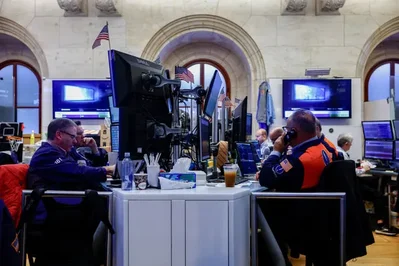
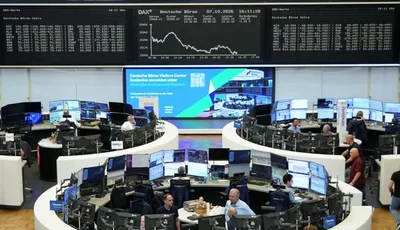
Major stock indexes in the United States retreated on Tuesday as investors reacted to signals of escalating tensions involving Iran. The Dow Jones Industrial Average fell 249.15 points, or 0.52%, to 47,491.65, while the S&P 500 lost 26.28 points, or 0.39%, to 6,769.71 and the Nasdaq Composite declined 33.24 points, or 0.15%, to 22,662.71. Market caution grew following remarks from defense officials suggesting that military actions in the Middle East were intensifying, despite previous hopes for a shorter conflict duration.
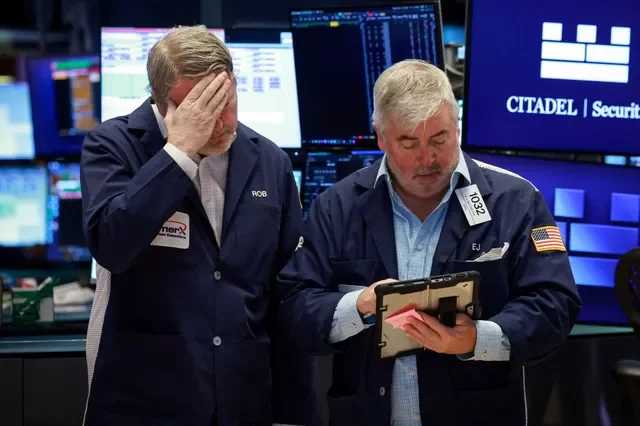
U.S. Defense Secretary Pete Hegseth and General Dan Caine noted an increase in strike intensity, contrasting with President Donald Trump’s earlier suggestion that the conflict could conclude within weeks. While crude oil and natural gas prices retreated slightly from recent highs, the threat of continued blockades in the region kept energy concerns at the forefront of market discussions.
"Yesterday, there was a more optimistic tone that this was going to be a faster military event and today the Defense Secretary alluded to the fact that at least for today, its intensifying."
Art Hogan, chief market strategist at B Riley Wealth, noted that the market is pausing its recent rally as the geopolitical outlook shifts. The uncertainty has particularly impacted the travel sector, with an index of passenger airlines dropping over 2%. Within this space, Carnival Corporation & plc and Royal Caribbean both saw their shares fall by 1.8%.
Despite the broader downturn, the technology sector showed resilience. Chipmakers led the gains, with Sandisk Corporation rising 3% and Western Digital Corporation climbing 5%. These gains helped limit the decline of the Nasdaq, which remains the best-performing sector on the S&P 500 this month with a 1.3% gain.
In corporate news, Bunge Global S.A. shares rose 1.6% after the company projected earnings to increase to at least $15 per share by 2030 and authorized a $3 billion share buyback program. In contrast, Centene Corporation shares plummeted more than 10% after the health insurer maintained its existing profit forecast for 2026. Meanwhile, Oracle Corporation slipped 1% as investors awaited its latest financial results and details on artificial intelligence spending.
Economic data continues to be a focal point, with upcoming inflation reports expected to provide more clarity on the state of the economy prior to the recent energy price spikes. Current market pricing suggests a potential interest rate cut of 25 basis points could occur by September as the labor market shows signs of cooling. The CBOE Volatility Index, often referred to as the market's fear gauge, was last down 0.68 points to 24.82, while nine of the 11 S&P 500 sectors traded in negative territory, led by declines in energy and financials.