

Venezuela Prepares to Take Over Citgo Petroleum Boards

The administration of Venezuela’s interim President Delcy Rodriguez is preparing to assume control over the boards of state oil firm PDVSA’s subsidiaries in the United States, including the major refiner Citgo Petroleum. This move follows Washington’s recognition of Rodriguez as the nation's leader in March, a decision that has paved the way for her government to reclaim foreign assets previously lost to the political opposition.
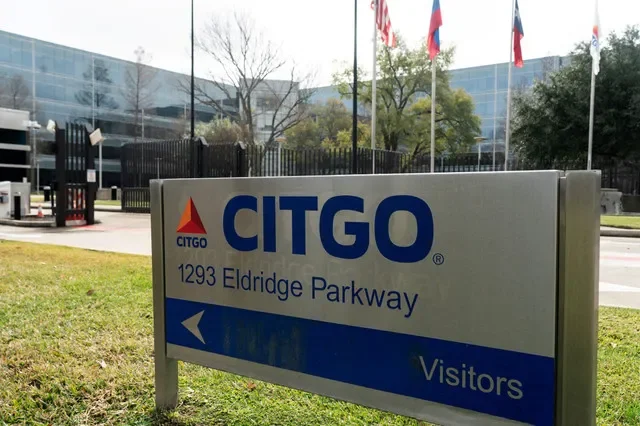
The transition remains subject to approval from the U.S. Treasury, which must vet and clear each proposed board member. Sources suggest that Rodriguez is currently finalizing her list of candidates after some initial suggestions were met with resistance in Washington. Once cleared, the Treasury’s Office of Foreign Assets Control (OFAC) will need to issue specific licenses to authorize the new leadership, while the U.S. State Department is expected to provide necessary policy guidance.
Beyond personnel changes, the Rodriguez administration has informed several law firms representing PDVSA and its subsidiaries that their contracts are currently under review. This corporate restructuring occurs as Citgo continues to fight a court-ordered sale of its parent company, PDV Holding, to Amber Energy, an affiliate of the hedge fund Elliott Investment Management. The $5.9 billion bid was approved last year by a Delaware judge to settle debts with creditors, but the final transfer of ownership is pending a green light from the U.S. Treasury.
Recent internal appointments at PDVSA include the ratification of Asdrubal Chavez as the head of U.S. subsidiaries. Chavez, a relative of the late Hugo Chavez, has been unable to lead the companies from within the U.S. for several years due to visa issues. Other executives close to Rodriguez, including Nelson Ferrer, Alejandro Escarra, and Ricardo Gomez, have also been named to the boards, though their authorization by U.S. officials remains uncertain.
Citgo has maintained in court that the auction process for its parent company was unfair and plagued by conflicts of interest. The refiner has been shielded from creditors by U.S. sanctions since 2019, but the current political shift and the potential for a new board of directors could fundamentally alter the company's legal and operational trajectory.