During the session at the White House, Prime Minister Kim emphasized that the legislative approval demonstrates a firm commitment to the bilateral investment agreement reached by the leaders of both nations. The National Assembly’s move clears the final domestic hurdles for the trade arrangement, which had faced pressure from the Trump administration.
"The passage of the bill establishes the legal conditions needed to implement the investment deal."
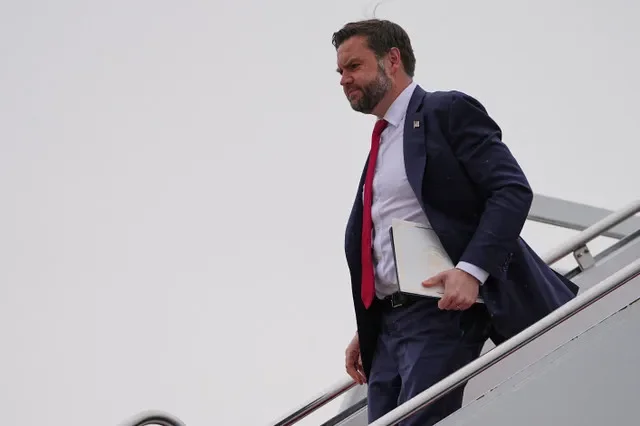
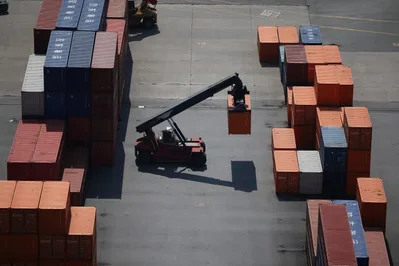
Vice President Vance welcomed the legislative progress and called for continued close communication between the two governments. The urgency of the bill's passage follows a late January warning from U.S. President Donald Trump, who threatened to increase tariffs on South Korean goods to 25% if the trade framework remained unratified. The existing framework currently caps levies at 15% under the bilateral arrangement.
Beyond the primary investment deal, the two leaders explored expanded cooperation in high-tech and security sectors. Kim noted that the bill's passage provides momentum for collaboration in nuclear energy, shipbuilding, and the development of nuclear-powered submarines. Additionally, they discussed the stability of critical mineral supply chains and addressed regulatory matters concerning U.S. firms operating in the region.
The meeting concluded with a review of the security landscape on the Korean Peninsula. Both Kim and Vance reaffirmed their commitment to the alliance while emphasizing that the door to diplomatic dialogue with North Korea remains open.