
US stock futures steady as Middle East conflict continues
US stock futures stayed flat Thursday as investors weighed Middle East tensions against Broadcom gains. Inflation fears may delay Fed rate cuts until September.

Stock index futures in the United States remained steady on Thursday as investors balanced the fallout of the Middle East conflict against optimistic corporate forecasts from the technology sector. The ongoing war, now entering its sixth day, has fueled concerns over inflationary pressures that could complicate the Federal Reserve's upcoming monetary policy decisions. Still, market sentiment was lifted by Broadcom Inc., which saw its shares jump 7.6% in premarket trading after projecting that its artificial intelligence chip revenue would surpass $100 billion next year.
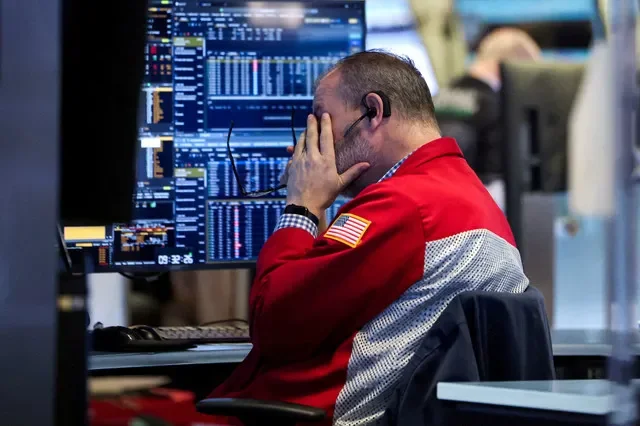
Despite the air war involving Israel and Iran showing no signs of cooling off, major American indexes have outperformed their European and Asian counterparts this week. This resilience is largely attributed to a rebound in technology stocks, which had previously faced significant selling pressure in February. However, economists warn that a prolonged disruption in shipping through the strategic Strait of Hormuz could further stimulate inflation through rising energy and transportation costs, especially at a time when new tariffs have already clouded the policy outlook.
Investors are particularly sensitive to any indications that Brent Crude Oil could reach $100 a barrel, a milestone that would likely increase market volatility. Market participants are currently pricing in a delay for a 25-basis-point interest rate cut, with expectations shifting from July to September according to LSEG data.
The Federal Reserves policy outlook is becoming more complicated. A prolonged energy shock would reduce flexibility for rate cuts, particularly if headline inflation reaccelerates. That risk is now being priced into markets in real time, said Daniela Hathorn, senior market analyst at Capital.com.
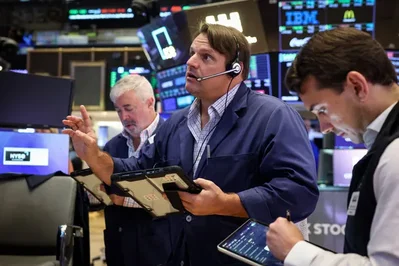
As of 05:36 a.m. ET, Dow E-minis were down 76 points, or 0.16%, while S&P 500 E-minis slipped by a marginal 0.5 points. Nasdaq 100 E-minis remained flat, and futures tied to the rate-sensitive Russell 2000 index fell 0.2%. The CBOE volatility index edged higher, reflecting a general sense of nervousness across the trading floor.
Performance was mixed across various sectors. In the travel industry, American Airlines Group Inc. slipped 0.9%, while Carnival Corporation & plc edged up 0.7%. Safe-haven precious metals saw increased interest, leading to a 1.2% gain for both HARMONY GOLD MINING CO LTD and Alamos Gold Inc.. In the semiconductor space, NVIDIA Corporation remained flat, while Advanced Micro Devices, Inc. fell 0.7%. Energy firms Cheniere Energy, Inc. and Valero Energy Corporation were marginally higher, and defense contractors RTX Corporation and AeroVironment, Inc. both added 0.8%.
Market attention will now turn to upcoming remarks from Fed Vice Chair Michelle Bowman and the weekly jobless claims report. The week's focus will culminate with the release of the non-farm payrolls report on Friday, which is expected to provide further clarity on the health of the labor market and the trajectory of interest rates.