

US Senate approves bipartisan housing affordability bill
The Senate passed a bipartisan bill to address the housing shortage through construction incentives and investor caps. The measure now moves to the House.

The United States Senate has overwhelmingly approved a landmark piece of legislation designed to accelerate the construction of affordable housing across the nation. This bipartisan move provides lawmakers with a significant achievement to highlight during their re-election campaigns this year, as they seek to address the escalating burden of high living costs. The bill, which was spearheaded by Senate Banking Committee Chairman Tim Scott and Senator Elizabeth Warren, now moves to the House of Representatives for further consideration. The successful vote represents a rare instance of cooperation in a legislative body that has remained deeply fractured since early 2025. Recent months have seen intense disagreements over tax and immigration policies, social service funding cuts, and the ongoing military conflict involving Iran conducted by the administration without congressional authorization.
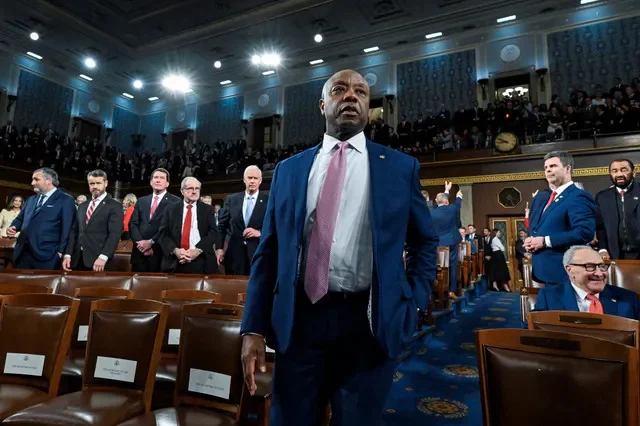
Republican Senator Mike Rounds highlighted the specific benefits for rural communities, noting that the bill updates a Department of Agriculture housing program for the first time in ten years. He warned of the consequences of inaction for vulnerable populations.
Without congressional action up to 400,000 Americans nationwide could face rent increases or displacement and the impact would fall hardest on regions in the Midwest and South.
Democratic Representative Andy Kim also emphasized the bill's potential to lower the average age of first-time homebuyers by significantly increasing the supply of affordable properties. The legislation introduces various government incentives for the housing and financial sectors to bridge an estimated four-million-home shortfall. This deficit has been attributed to high mortgage rates, a 60% surge in home prices since 2019, post-pandemic material shortages, and the lingering effects of the 2008 financial crisis. To stimulate development, the bill proposes waiving or accelerating environmental reviews for construction projects and expanding financing through federal block grants to states. It also raises loan limits for federally-backed mortgages on multifamily properties.
In a more contentious provision, the bill seeks to limit the influence of institutional investors by capping their ability to purchase single-family homes at 350 units. Furthermore, these investors would be required to sell newly constructed rental housing after seven years of ownership. While the goal is to prevent individual buyers from being outbid, some industry groups have voiced concerns that these restrictions could inadvertently reduce the total number of housing units available on the market.