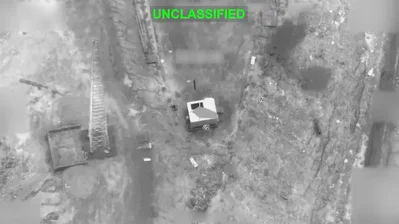
US and Israel strikes on Iran prompt missile retaliation
US and Israel strikes on Iran today triggered missile retaliation and market volatility. Oil prices rose as investors moved into safe havens such as gold.

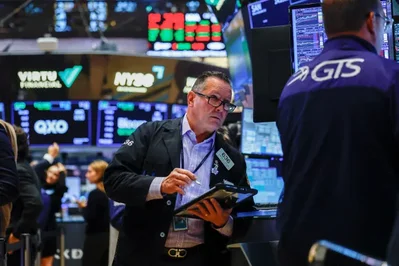
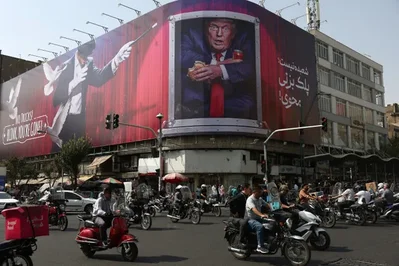
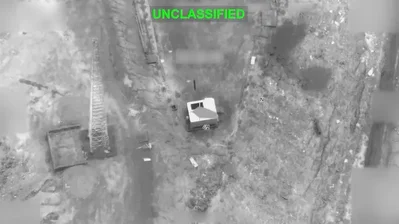
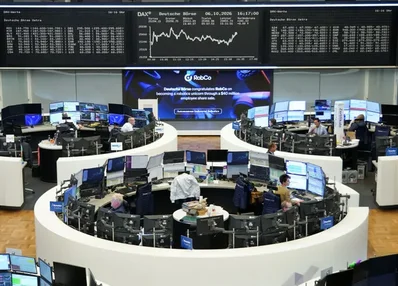
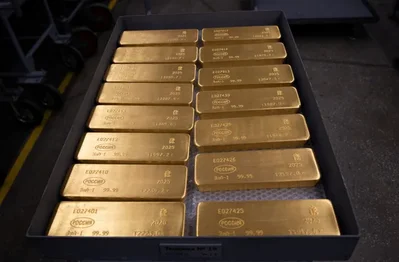
The United States and Israel initiated military strikes against Iran on Saturday, targeting the nation's leadership and sparking fears of a broader Middle Eastern conflict. President Donald Trump stated the action aims to eliminate a security threat and provide an opportunity for internal political change within the Islamic Republic. The escalation has placed neighboring oil-producing nations on high alert, as Tehran responded by firing missiles toward Israeli territory. Energy markets are reacting sharply, as Brent Crude Oil serves as the primary indicator of regional instability. Iran’s position along the Strait of Hormuz—a transit point for approximately 20% of the world's oil supply—means any disruption could significantly impact global availability. While prices were already up 20% this year, trading near $73 a barrel, major trading houses have already begun suspending shipments through the strait. William Jackson, chief emerging markets economist at Capital Economics, noted that even a contained conflict could push prices to $80. However, he warned of more severe consequences if the situation persists. > A prolonged conflict affecting supply could cause oil prices to jump to around $100, potentially adding 0.6-0.7 percentage points to global inflation, he said in a note. The geopolitical tension is expected to worsen existing market volatility, which has been fueled by trade tariffs and technology sector selloffs. The VIX volatility index has climbed by a third this year, while bond market uncertainty is also rising. Currency markets are bracing for impact, with analysts noting that the U.S. dollar’s performance will likely hinge on the duration of the hostilities. According to analysts at CBA, the dollar typically benefits from its status as a net energy exporter during supply disruptions. > If the conflict was long-lasting and disrupted oil supplies, we expect the U.S. dollar would lift against most currencies except Japanese yen and Swiss franc. Consequently, pairs such as USD/JPY and USD/CHF are under close observation. The Israeli shekel, which has historically shown resilience after initial shocks, may face a more difficult recovery this time. JPMorgan Chase & Co. suggested that a persistent rise in risk premia could alter the typical rebound pattern. > This would especially be the case if confrontation with Iran also triggers more intensive operations against Iran’s proxies, the Wall Street bank said. Traditional safe-haven assets are seeing renewed interest. Switzerland and Japan are likely to see their currencies strengthen, potentially complicating policy for the Swiss National Bank. Investors are also flocking to precious metals; Gold has already surged 22% in 2026, while Silver continues its upward trend. In contrast, bitcoin has failed to act as a hedge, losing a quarter of its value over the last two months and falling further following the Saturday strikes. Regional equity markets in Saudi Arabia and Qatar will serve as early barometers of investor sentiment when they open. Ryan Lemand, CEO of Neovision Wealth Management, anticipates a downturn if hostilities persist. > I suspect markets will be down if these hostilities continue through the day. Lemand estimated that Gulf equities could see declines between 3% and 5%. Beyond the region, airline and defense stocks are in focus. Global carriers have already begun canceling flights due to airspace closures, while European defense contractors, already up 10% this year, may see increased demand as the conflict develops.