
Unilever Shares Fall Amid Food Business Spinoff Reports
Unilever shares fell on Thursday following reports of a potential food unit spinoff. Investors worry the move could distract leadership from core operations.

Shares of Unilever PLC experienced a decline on Thursday, extending losses from the previous session following reports that the consumer goods giant may be considering a spinoff of its extensive food division. The market reaction follows rumors of terminated merger discussions with Kraft Heinz, sparking investor anxiety regarding the strategic focus of CEO Fernando Fernandez. Questions have emerged about whether the leadership can manage a major separation while still integrating recent changes to its ice cream operations.
The strategic shift toward personal care and beauty has been a recurring theme for the conglomerate's leadership. Past executives, including Alan Jope and Hein Schumacher, faced pressure to divest food assets more rapidly. Jope's departure in 2022 followed several failed bids for the consumer health division of GlaxoSmithKline, which has since been established as the independent entity Haleon plc.
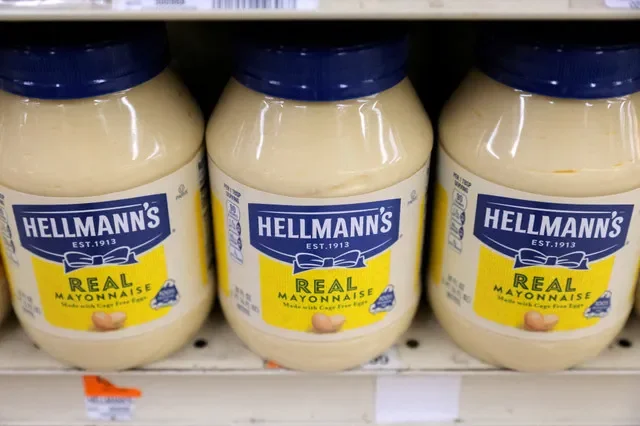
Currently, the packaged food division—which includes household names like Knorr and Hellmann's—accounts for more than 25% of the group's total sales. Financial data indicates the unit remains highly profitable, boasting an underlying operating margin of 22.6% last year, which exceeded the group-wide margin of 20%. According to estimates from Barclays PLC, the division generated an operating profit of 2.9 billion euros in the previous year, suggesting an enterprise value of nearly 30 billion euros.
Despite these margins, the unit's growth has lagged behind other departments. Last year’s 2.5% growth rate fell short of the company’s annual target of 4% to 6%. The industry is currently navigating a complex landscape defined by the rise of GLP-1 weight-loss medications and a shift in consumer preferences away from ultra-processed goods. In the United States, public health officials have increasingly voiced concerns over the long-term health impacts of processed food portfolios.
Market performance remains divided between developed and emerging economies. While Unilever maintains a strong foothold in India and parts of Latin America, where private-label competition is less intense, these regions cannot fully compensate for the stagnation seen in Western markets.
"There is more growth in emerging markets, which accounts for 55% of food for Unilever, but its still not enough to make up for Europe and the U.S. where the market is saturated," Barclays analyst Warren Ackerman said.