
UN Climate Chief Urges EU to End Fossil Fuel Reliance
Simon Stiell will tell EU leaders that the Iran War shows fossil fuel dependence is a security risk. He will urge a shift to renewables as gas prices jump 50%.

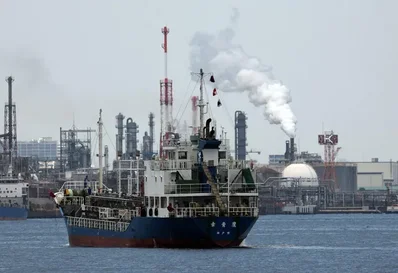
The ongoing conflict in Iran serves as a stark warning about the vulnerabilities inherent in fossil fuel reliance, according to United Nations climate chief Simon Stiell. In prepared remarks for European Union policymakers, Stiell is expected to argue that the current energy market disruptions highlight the urgent need for governments to transition their economies away from oil and gas. Since the start of the two-week war, European gas prices have surged by 50%, creating a volatile environment for energy infrastructure providers like Natural Gas Services Group, Inc..
Stiell argues that fossil fuel dependency erodes national sovereignty and leaves economies at the mercy of geopolitical shocks. He warns that Europe is more reliant on energy imports than almost any other major economy, with the EU importing over 90% of its oil and 80% of its gas. This exposure affects the entire industrial chain, including manufacturing entities such as Oiles Corporation. The current situation draws parallels to the 2022 energy crisis triggered when Russia reduced gas deliveries to the continent.
"Fossil fuel dependency is ripping away national security and sovereignty, and replacing it with subservience and rising costs."
In response to these challenges, the European Commission has advocated for a transition to locally-produced renewable and nuclear energy. However, internal divisions remain as member states like Italy and Hungary urge Brussels to relax climate policies to mitigate short-term costs for industries. Stiell dismisses these suggestions as delusional, asserting that renewable energy sources like wind and solar provide cheaper energy and more secure supplies.
"Meek dependence on fossil fuel imports will leave Europe forever lurching from crisis to crisis."
Ultimately, the U.N. climate chief emphasizes that sunlight and wind do not depend on vulnerable shipping straits or the stability of foreign regimes. By shifting to clean technology, Europe can secure its energy future and decouple its economy from the price volatility of the global fossil fuel market.