Oil Prices Surge as Trump Pledges Harder Strikes on Iran
Oil prices rose 8% after President Trump vowed to intensify strikes on Iran. Global allies are now meeting to discuss securing the vital Strait of Hormuz.

Global energy markets and geopolitical stability faced significant pressure on Thursday as hopes for a rapid conclusion to the conflict in the Middle East diminished. United States President Donald Trump announced an intensification of military strikes against Iran, a move that triggered a sharp rally in petroleum prices and widespread volatility across global financial centers.
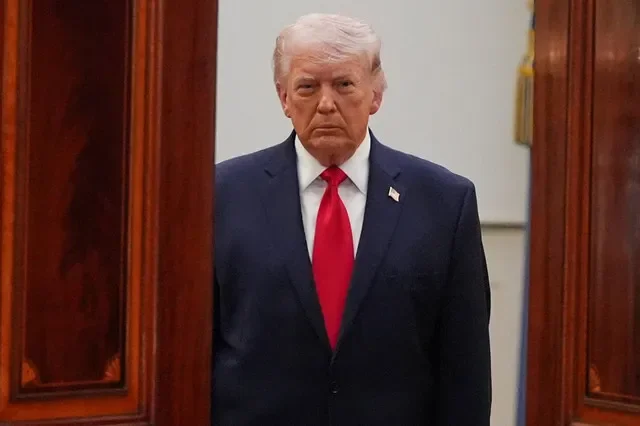
In a prime-time address delivered Wednesday evening, the U.S. President signaled a more aggressive military posture, suggesting that operations would be scaled up significantly in the coming weeks without offering the specific timeline for ending hostilities that investors had sought.
"We're going to hit them extremely hard over the next two to three weeks."
"We're going to bring them back to the Stone Ages where they belong."
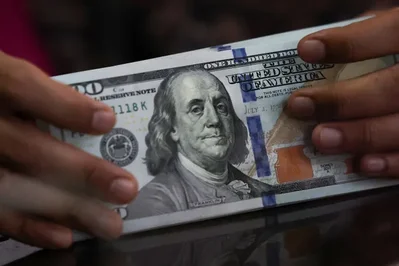
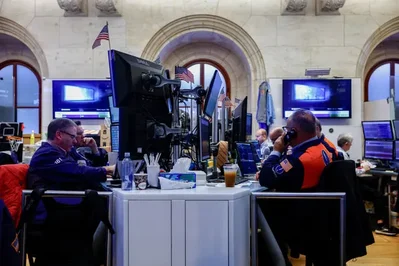
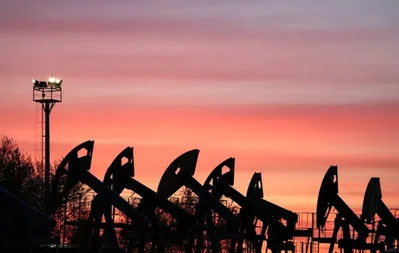
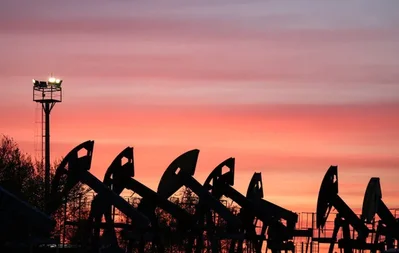
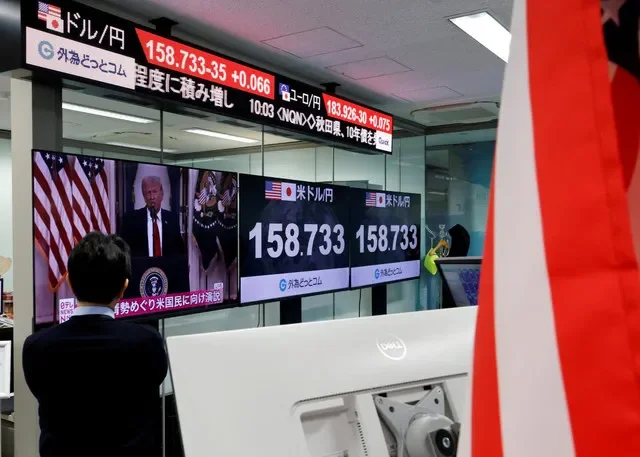
This lack of a clear exit strategy weighed heavily on investor sentiment. Brent Crude Oil prices jumped by approximately 8% to reach $109 per barrel. Major stock indices declined globally while the dollar gained strength as a safe-haven asset, reflecting concerns over the potential for strikes on Iranian energy and oil infrastructure.
The strategic focus remains on the Strait of Hormuz, a vital maritime corridor that has been effectively closed due to ongoing attacks. While President Trump suggested that nations dependent on the waterway should secure it themselves, several international partners have expressed caution. France President Emmanuel Macron, speaking during a diplomatic visit to South Korea, emphasized the necessity of regional cooperation.
"It can only be done in consultation with Iran."
Currently, approximately 40 countries are participating in virtual discussions to explore methods for restoring safe passage through the strait. However, Tehran has maintained a defiant stance. Ebrahim Zolfaqari, a spokesperson for the Iranian military, issued a statement regarding the continuation of the conflict.
"The war will continue until the permanent regret and surrender of Iran's enemies."
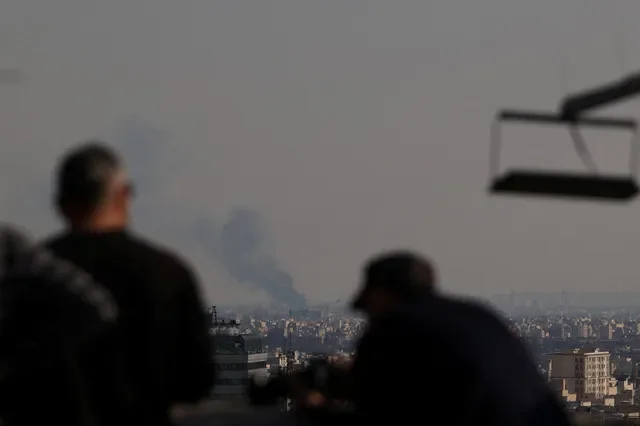
The humanitarian and economic toll of the war continues to mount. Since hostilities began on February 28, thousands of casualties have been reported across the region. In Lebanon, the opening of a new front has led to significant displacement and infrastructure damage as hostilities between Israel and Hezbollah escalate in tandem with the broader conflict.

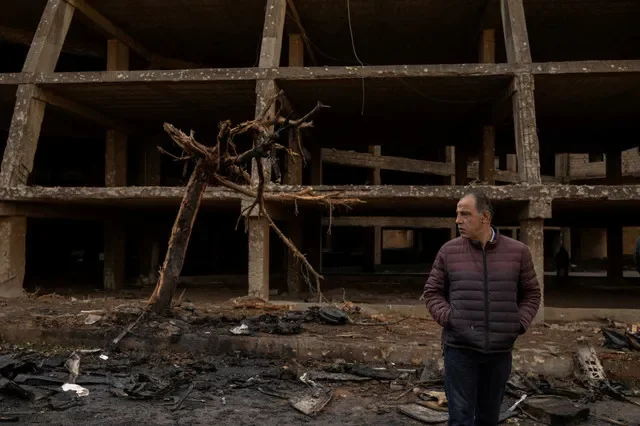
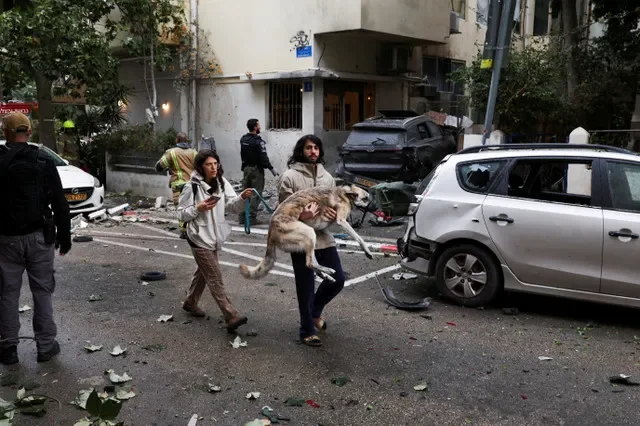
Military exchanges have also impacted Israel, which continues to intercept incoming missile salvos. Regional neighbors including Saudi Arabia and the United Arab Emirates have also reported the interception of drones and missiles near economic zones and military installations.
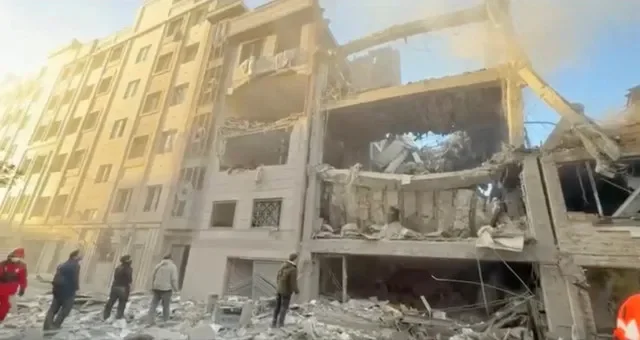
In Tehran, officials reported damage to key industrial and research facilities, including major steel producers and medical research centers. The Iranian Revolutionary Guards have threatened to target U.S.-linked industrial assets in the Gulf if domestic infrastructure continues to be hit. The security situation has prompted the U.S. embassy in Iraq to advise its citizens to depart the capital, citing imminent threats from allied militias.
Global economic consequences are being felt through fuel shortages in Asia and anticipated strains in Europe. Italy noted that prolonged instability could drive higher migration flows into the continent. Diplomatic efforts to find a resolution remain complex; while President Trump stated that strikes have successfully degraded the nuclear threat, he noted that discussions with certain Iranian leaders are ongoing. Pakistan has emerged as a potential venue for direct talks, with U.S. Vice President JD Vance reportedly engaging with Pakistani intermediaries.
"We are systematically dismantling the regime's ability to threaten America or project power outside of their borders."
Despite these back-channel communications, a senior Iranian source indicated that Tehran is currently demanding a guaranteed ceasefire before any formal negotiations can proceed. Market analysts remain focused on the uncertainty of the conflict's duration, with the International Monetary Fund and World Bank warning that the war is producing substantial and asymmetric global effects.
"The key question in all investors' minds is When is this going to be over?"