Trump Postpones Iranian Energy Strikes for Five Days
President Trump delayed strikes on Iranian energy assets for five days. The dollar and oil prices fell while stocks rose on signs of regional de-escalation.

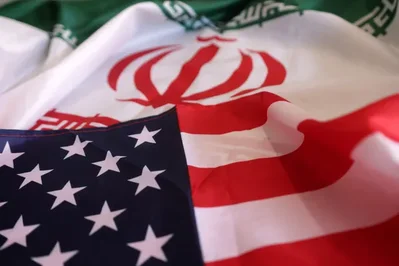
The United States currency experienced a sharp decline on Monday after President Donald Trump announced a five-day postponement of planned military strikes against energy infrastructure in Iran. The move, shared via Truth Social, came just hours before a self-imposed deadline for Tehran to fully open the Strait of Hormuz, following a period of escalating tensions now in its fourth week. Currency markets reacted immediately to the news. The Euro / US Dollar exchange rate shifted as the greenback fell 0.7% against the euro, while the US Dollar / Japanese Yen pair saw the dollar slide 0.6%. Despite the initial plunge, the dollar managed to recover some ground later in the session but remained lower on the day against major peers. Equity markets and commodities also saw significant volatility. U.S. stock futures surged by more than 2%, and the STOXX 600 turned positive after previously being down over 2.2% in early trade. In the energy sector, crude oil prices plummeted as much as 14% to a low of $96 per barrel before stabilizing near $100. Even consumer staples like Colgate-Palmolive Company saw attention as investors recalibrated their portfolios in response to the geopolitical shift. Analysts viewed the development as a tentative step toward cooling tensions. Michael Brown, a strategist at Pepperstone, noted the significance of the announcement. > This is clearly a positive development. > The two sides are in discussions, and this is the first material sign of de-escalation that we have seen since conflict broke out at the end of February. However, caution remains high among market participants. Brown added that while the news is positive, it only rules out strikes on energy infrastructure, suggesting that other military actions might continue for the time being. Meanwhile, the Iranian embassy in Kabul, Afghanistan, claimed the U.S. was retreating following warnings from Tehran. Strategic uncertainty persists regarding other regional actors, including Israel. IG strategist Chris Beauchamp highlighted the remaining questions, noting that the status of the Strait of Hormuz remains a critical concern. > But it doesnt change the fact that the Straits are still closed. Strategists warned that the initial market relief could fade given the extreme uncertainty prevailing. While the Iranian FARS news agency cited sources denying any direct or indirect communication with the American government, the five-day window provides a brief pause in a conflict that has gripped global markets for nearly a month.