Stocks Fall and Oil Rises as Middle East Conflict Escalates
Global equities fell and oil prices rose today after attacks on energy infrastructure. The yen neared 160 as the Bank of Japan kept interest rates at 0.75%.

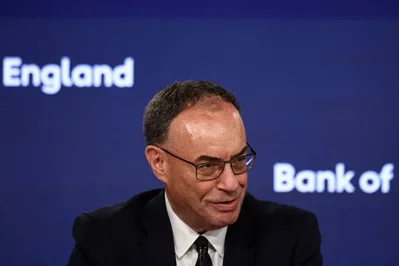
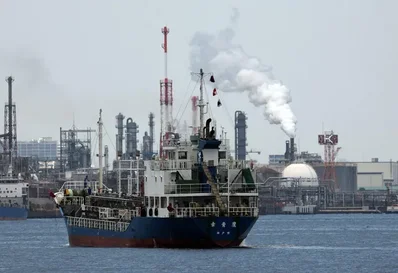
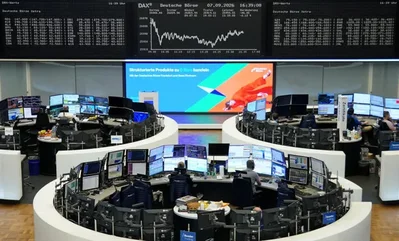
Global financial markets faced significant pressure on Thursday as an escalation in the conflict involving the United States, Israel, and Iran triggered a sell-off in equities and a sharp spike in energy prices. Investors are increasingly concerned about the potential for a prolonged regional war, which has pushed the Japanese yen toward a critical psychological level against the dollar. In Japan, the central bank maintained its short-term policy rate at 0.75%, matching expectations. However, the Bank of Japan echoed the cautious sentiment recently expressed by the Federal Reserve and the Bank of Canada, highlighting the inflationary risks posed by rising energy costs. The yen hovered near 159.61 per dollar, prompting warnings from Japanese finance officials about potential market intervention. Kyle Rodda, a senior financial analyst at Capital.com, noted that authorities appeared to be preparing the market for action. > "160 looks like a critical threshold here." The geopolitical situation worsened after Iran accused Israel of attacking the South Pars gas field. In response, Tehran threatened strikes against energy infrastructure across the Gulf, specifically mentioning Qatar and Saudi Arabia. These developments sent U.S. crude futures up 1% to $97.07 per barrel, while Brent futures climbed 4.5% to $112.19. Natural gas prices saw an even sharper increase, rising more than 6%. Equity markets across Asia reacted sharply to the news. The Nikkei index dropped 2.5%, while stocks in South Korea fell 1.5%. The broader Asia-Pacific index from MSCI Inc. declined by more than 1.5%, and European futures indicated a weak opening with losses exceeding 1%. Charu Chanana, chief investment strategist at Saxo in Singapore, suggested the conflict has entered a new phase that directly impacts global macroeconomics. > "It is now hitting the plumbing of the global energy system." The U.S. dollar remained strong, supported by the Federal Reserve's signal that only one more rate cut is likely this year. The dollar index has gained 2.5% this month as investors seek safety in the greenback. Meanwhile, market participants are awaiting policy decisions from the European Central Bank and the Bank of England in the United Kingdom later today. Laura Cooper, global investment strategist at Nuveen, emphasized the dilemma facing central banks as they navigate the energy shock. > "Rate hikes cannot increase oil supply, they can only suppress the demand response to higher prices, compounding the growth drag."