Sterling falls as UK economic growth stalls in January
Sterling fell today as the UK economy stagnated in January. Investors moved to the dollar amid conflict while the Bank of England is expected to hold rates.

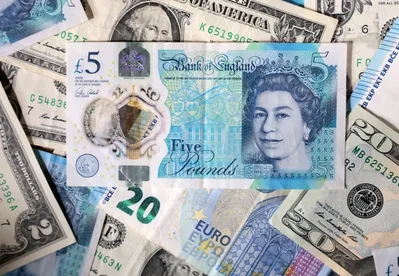
The British pound continued its downward trajectory on Friday, marking its fourth straight day of losses against the U.S. dollar. This decline follows the release of disappointing economic data from the United Kingdom and growing investor anxiety regarding geopolitical instability in the Middle East, which has bolstered the greenback. The GBP/USD exchange rate was last seen trading down 0.51% at $1.3273. Official figures revealed that the British economy unexpectedly stagnated in January, while long-term inflation expectations remain stubbornly elevated. Analysts suggest that the pace of demand growth prior to the conflict involving Iran will be a critical factor for the Bank of England as it weighs the impact of potential energy price shocks. Andrew Wishart, an economist at Berenberg, anticipates that the central bank will maintain its current stance for now. > "We think that the renewed risk of persistent inflation will lead the Monetary Policy Committee (MPC) to vote 8-1 in favour of a hold rather than a cut next Thursday." Wishart added that rate cuts could resume once energy prices retreat or if domestic demand weakens enough to sustain disinflation. Meanwhile, the EUR/GBP currency pair climbed 0.13% to 86.37 pence, rebounding from a multi-week low hit on Thursday. Matthew Ryan, head of market strategy at Ebury, expressed skepticism regarding market pricing for future rate hikes. > "We think that this is excessive given weak domestic demand and a cooling jobs market, not to mention that it is unclear at this stage whether the supply-side shock will be enough to de-anchor inflation expectations." In the fixed income market, British 2-year government bond yields rose slightly to 4.11%, continuing a trend seen since early March as investors price in a more hawkish central bank. Sanjay Raja, chief UK economist at Deutsche Bank, offered a projection for when the policy might shift. > "The next rate cut, we think, will come in the second quarter this year, when the MPC sees more evidence of falling core inflation alongside a likely resolution of the Iran conflict."