SK Group Chairman Sees Global Wafer Shortage Until 2030
SK Group Chairman Chey Tae-won expects the wafer shortage to last until 2030 due to AI demand. The group is also working on a plan to stabilize DRAM prices.

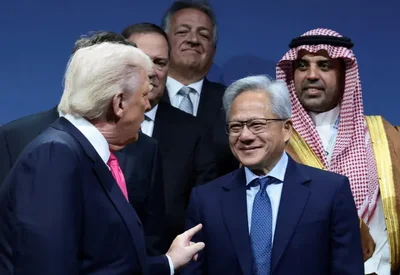
The chairman of SK Inc. has warned that the global semiconductor wafer shortage is likely to persist until 2030, as demand for artificial intelligence continues to outpace production capacity. Speaking on the sidelines of an industry event in the United States, Chey Tae-won noted that the industry requires several years to build up the necessary infrastructure to resolve the supply gap. During the NVIDIA Corporation GTC Conference in San Jose, Chey highlighted the pivotal role of SK hynix Inc. in the global market. The South Korea-based company currently leads the high-bandwidth memory (HBM) sector with a 57% market share and holds 32% of the global DRAM market, making it the world's second-largest player in that category. > AI actually wants to have a lot of HBM, and once you make the HBM...we have to use a lot of wafers. Chey explained that the production of HBM is particularly resource-intensive, requiring a high volume of wafers. He estimated that it would take at least four to five years to expand wafer production sufficiently to meet current and projected needs. > The current shortage could continue until 2030, so we expect more than a 20% shortage of the wafers. To address these challenges and broaden its global reach, the group is considering a U.S. ADR listing for its memory subsidiary. This move aims to attract a wider base of international investors beyond its domestic market. Additionally, the company is working on a new strategy to manage price volatility in the memory market. > So I cannot just announce right here, but I guess that our CEO is going to announce a new plan for how to stabilise the price of the DRAM. Chey also addressed the impact of external factors, noting that tensions in the Middle East have increased energy prices and created operational difficulties. As a result, the conglomerate is exploring alternative energy sources to ensure long-term stability. Following the announcement, shares of the group's chipmaking unit rose 3.5% in Seoul, while the benchmark KOSPI index gained 3%.