S&P 500 reaches record high as Iran war fears ease
The S&P 500 hit a new intraday high as de-escalation hopes and strong earnings drew investors back. Analysts expect quarterly profits of 605 billion dollars.

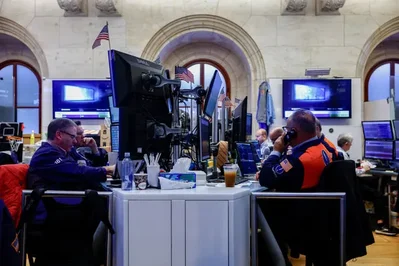
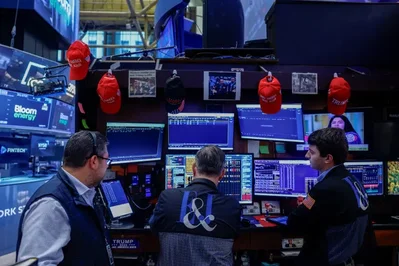
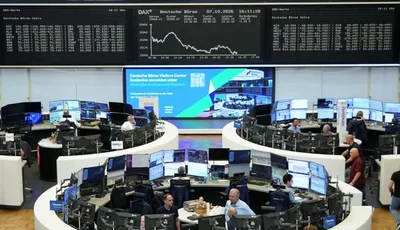
The United States equity markets reached a significant milestone on Wednesday as the SPDR S&P 500 ETF TRUST climbed to a new intraday record high. This marks the first time the index has reached such levels since the outbreak of hostilities between the U.S. and Iran, signaling a shift in investor sentiment as hopes for a diplomatic de-escalation grow. Market participants appear increasingly willing to price in lower risks of immediate escalation, bolstered by suggestions that negotiations could be revived. Although recent discussions in Pakistan collapsed over the weekend, renewed optimism for a potential deal has drawn capital back into riskier assets. The recovery follows a period of intense volatility that began on February 28. While the S&P 500 fell 9% and managed to avoid a formal correction, other major indices were less fortunate. Both the INVESCO QQQ TRUST SERIES 1 and the SPDR DJIA TRUST confirmed corrections during the downturn, falling at least 10% below their previous record highs. The geopolitical friction initially sent shockwaves through the energy sector, causing significant volatility for West Texas Oil and Brent Crude Oil. These fluctuations revived broader concerns regarding inflation and the future path of interest rates. However, corporate earnings expectations have provided a necessary cushion for equity valuations. > The U.S. consumer remained resilient despite the oil shock, and the pipeline for deals and IPOs was robust. According to data compiled by LSEG, analysts now project that companies within the S&P 500 will earn a combined $605.1 billion for the first quarter, an increase from the $598.7 billion forecast at the start of the period. Several brokerages have characterized the recent market dip as a strategic opportunity to acquire equities at more reasonable valuations. Despite the current rally, the market remains wary of potential flare-ups in the conflict. Investors also continue to monitor long-term risks that preceded the war, including potential disruptions from artificial intelligence and redemption risks facing private credit firms as nervous investors seek to exit their positions.