
S&P 500 and Nasdaq Rise for Seventh Straight Session
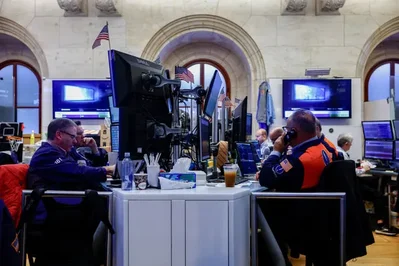
U.S. stocks rose on Thursday as investors hoped for an expanded Middle East ceasefire. The S&P 500 and Nasdaq gained for a seventh day despite rising oil prices.

Equity markets in the United States extended their winning streak on Thursday as investors prioritized optimism over a fragile ceasefire between Iran and other regional actors. The SPDR S&P 500 ETF TRUST and the INVESCO QQQ TRUST SERIES 1 both recorded their seventh consecutive daily gain, shrugging off persistent inflationary pressures and rising energy costs. Market participants are hopeful that the current truce could eventually encompass Israel and Lebanon, despite ongoing volatility in the Middle East.
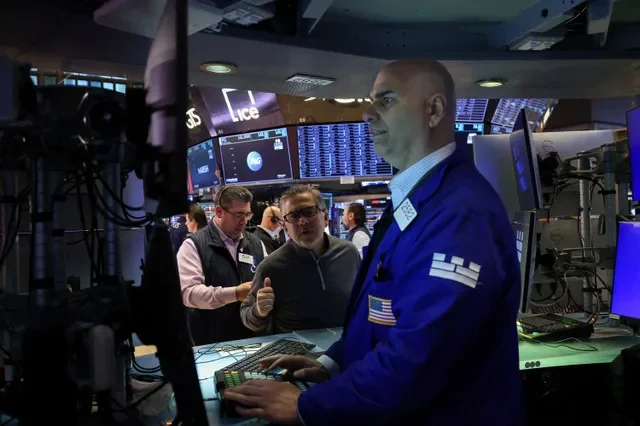
Wall Street's major indices climbed between 0.6% and 0.8%, with the rally led by consumer discretionary and industrial sectors. Notable individual performers included BROWN-FORMAN CORP-CLASS B, which surged 13%, while AMAZON.COM INC gained 5.6%. Technology giants also contributed to the momentum, with INTEL CORP rising 5% and NIKE INC -CL B adding 2%.
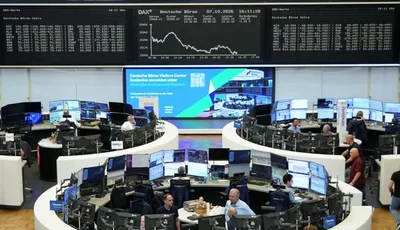
In the currency markets, the dollar weakened for a fourth straight session. The AUD/USD, NZD/USD, and USD/NOK pairs were among the top gainers in the G10 space. Meanwhile, the United Kingdom and broader European benchmarks saw slight dips as regional yields retraced only a fraction of their previous declines.
Commodities showed renewed strength as Brent Crude Oil climbed back toward the $100 per barrel mark, rising 1%. Safe-haven demand also supported Gold, which appreciated by 1% as physical crude prices in Europe and Africa reached record highs.
Despite the market euphoria, underlying economic data presents a more complex picture. Analysts are bracing for U.S. CPI figures on Friday, with headline inflation expected to hit 3.3%, a significant jump from February. The Atlanta Fed’s GDPNow estimate for first-quarter growth has been revised down to 1.3%, fueling concerns of stagflation. The technology sector faces its own set of challenges; while the broader market rose, software stocks fell significantly after Anthropic delayed the release of a new AI model due to cybersecurity concerns. Regarding the broader impact of artificial intelligence, IMF Managing Director Kristalina Georgieva noted:
Fund research shows AI could boost productivity by up to 0.8%, but also affect 60% of all jobs in developed economies.
Looking ahead, the first-quarter reporting season is set to begin next week. Consensus forecasts suggest a 14.4% rise in earnings, with the tech sector expected to account for a massive 75% of the total dollar income growth. Global markets will remain sensitive to several key data releases and events tomorrow:
- Developments in the Middle East and energy market volatility.
- Social media updates from Donald Trump.
- New Zealand manufacturing PMI for March.
- Trade figures from Taiwan.
- Inflation data from China and Japan.
- The interest rate decision from South Korea.
- Final March inflation reports from Germany and Brazil.
- Unemployment data from Canada.
- U.S. consumer sentiment and inflation expectations from the University of Michigan.