Russia Delays Fiscal Rule Changes Amid High Oil Prices
High energy prices from the Iran conflict allow Moscow to delay lowering its oil cut-off price. The move eases short-term pressure on the national budget.

The surge in global energy prices triggered by the conflict in Iran has allowed the government of Russia to postpone a planned adjustment to its long-term fiscal reserves. This windfall has provided a critical buffer for the Kremlin, easing immediate financial pressures as the nation manages the costs of military action and international sanctions. The war, involving the United States and Israel, has driven international oil prices from $70 per barrel to over $100 since late February, significantly increasing Moscow's energy revenues.

Under the current fiscal rule, any oil revenue generated above a "cut-off" price of $59 per barrel is directed into the National Wealth Fund. While officials had previously discussed lowering this threshold to tighten the budget, sources indicate that the high-price environment has led to a delay in these changes, which are now unlikely to be implemented before 2027. Oil and gas revenues for April are projected to reach 0.9 trillion roubles, a 70% increase compared to March.
President Vladimir Putin has called for a balanced approach to the use of these surplus revenues. Finance Minister Anton Siluanov noted that the government is exploring ways to stabilize the budget against future price swings.
"The government is considering measures to make the budget less vulnerable to the oil price fluctuations in the medium term."
The geopolitical tension has also had a pronounced effect on currency markets. The USD/RUB exchange rate saw the rouble decline by 6% against the dollar in March, following a pause in foreign exchange sales from the reserve fund. This currency volatility has created a challenging environment for multinational firms like Colgate-Palmolive Company, which must navigate fluctuating operational costs. Additionally, as Russia shifts its reserves toward the yuan, the USD/CNY pair remains a key indicator for international trade dynamics.
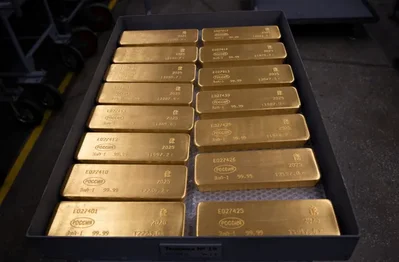
Investors seeking to hedge against global instability have increasingly turned to safe-haven assets. This trend has supported interest in the precious metals sector and companies such as NovaGold Resources Inc., as market participants expect a risk premium to persist in commodity pricing. Central Bank Governor Elvira Nabiullina reaffirmed that the existing fiscal framework remains the country's primary defense against external economic volatility.
"The budget rule is Russia’s best protection against external shocks."