Most Americans expect gas prices to rise after Iran strikes
A Reuters poll found 67% of Americans expect gas prices to rise after Iran strikes. Most respondents also anticipate a prolonged U.S. military involvement.

A majority of residents in the United States expect fuel costs to continue their upward trajectory following recent military strikes against Iran, according to a new Reuters/Ipsos poll. The data reveals a public braced for both economic strain and a potentially prolonged military engagement in the Middle East.
The survey found that 67% of respondents—comprising 85% of Democrats and 44% of Republicans—anticipate that gasoline prices will worsen over the next twelve months. This outlook coincides with a general expectation of a long-term conflict, with 60% of the population predicting that military involvement will last for an extended duration. The hostilities began on February 28 when American and Israel forces launched a surprise coordinated attack.
Public approval for the strikes remains low at 29%, a figure that has seen minimal movement since the start of the campaign. This lack of support presents a challenge for the current administration and the Republican Party ahead of the November midterm elections. Furthermore, 64% of those polled stated that the objectives of the military action have not been clearly explained to the public.
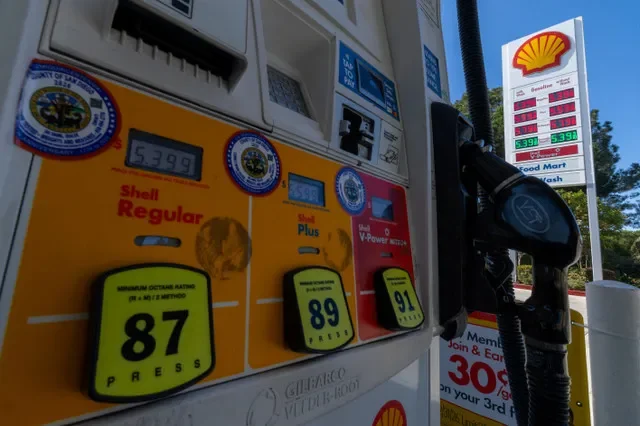
The economic impact is already being felt at the pump, where prices have surged by approximately 50 cents per gallon since the conflict began. While the administration seeks ways to mitigate these costs, global energy markets, often influenced by benchmarks like Brent Crude Oil, remain volatile. Analysts warn that fuel prices could remain elevated for months, even if a diplomatic resolution is reached quickly.
Addressing the situation on Monday, the President provided a brief update on the status of the campaign.
"The military operation in Iran is ahead of our initial timeline by a lot."
The financial anxiety linked to the conflict is widespread, with 49% of Americans expecting a negative impact on their personal finances. This sentiment is particularly strong among Democrats, though one-third of Republicans also expressed concern. The Reuters/Ipsos poll was conducted online among 1,021 adults and carries a margin of error of 3 percentage points.