
RBI Limits Onshore Rupee Positions to Curb Arbitrage Trades
The RBI capped onshore rupee positions at $100 million to force banks to unwind arbitrage trades. This follows record lows for the currency amid the Iran war.

The Reserve Bank of India has introduced stringent new limits on currency positions that are expected to force a massive unwinding of arbitrage trades between the non-deliverable forward (NDF) and onshore markets. According to the central bank's latest directive, banks must ensure their net open rupee positions in the onshore deliverable market do not exceed $100 million at the end of each business day, with full compliance required by April 10.
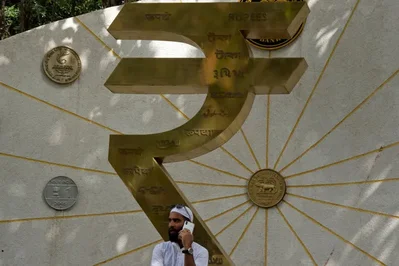
This regulatory intervention comes as India grapples with significant currency depreciation. The rupee has hit a series of all-time lows, falling approximately 4.2% this month, marking its most severe decline in over seven years. The downward pressure has been intensified by a spike in global oil prices and substantial foreign portfolio outflows following the outbreak of conflict in Iran. On Friday, the currency slid to 94.84 against the United States dollar.

Market participants explained that the previous rules allowed banks to maintain large arbitrage books because net open position limits were calculated by netting exposures across multiple markets. Under the new framework, the specific cap on onshore positions means that even if a trade is offset in the NDF market, any onshore exposure exceeding the $100 million limit must be reduced. Bankers estimate the total volume of these arbitrage positions to be between $10 billion and $18 billion.
The heightened stress on the currency has pushed USD/INR (U.S. dollar/Indian rupee) NDF levels significantly above onshore rates, creating a lucrative arbitrage window. Banks typically exploit this by purchasing dollars in the onshore market while taking offsetting positions in the NDF market. A forced exit from these positions would require banks to sell dollars onshore and buy them in the NDF market, potentially at a loss.
"A rush to unwind these positions could widen the spread between onshore and NDF rates, pushing the spread well beyond levels at which banks had initiated their trades."
This shift would likely erode arbitrage profits and could force banks to exit positions at unfavorable levels. Treasury officials from several major banks met with the central bank on Saturday to discuss the implications of the new limits.
"The arbitrage between NDF and onshore markets was adding pressure on the rupee."
"What the RBI is doing now is clamping down on that to limit NDF spillovers and make its onshore intervention more effective."
The central bank retains the authority to impose tighter caps to manage currency volatility, even though standard rules allow banks to set limits within 25% of their total capital. The move is seen as a strategic step to consolidate control over the domestic currency market and mitigate external shocks.