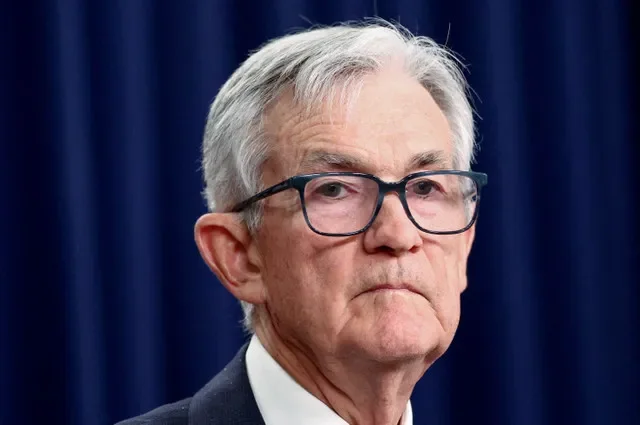
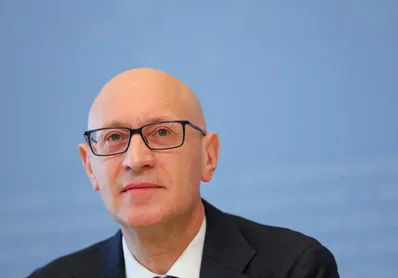
Federal Reserve Chair Jerome Powell stated on Monday that the central bank in the United States is prepared to wait and see how the conflict in Iran influences the economy and inflation. Speaking to students at Harvard University, Powell noted that officials typically look through short-term shocks, such as those resulting from higher energy costs.
"We feel like our policy is in a good place for us to wait and see how that turns out."
As the war enters its fifth week and gasoline prices in the U.S. average around $4 a gallon, the Fed is navigating a potential conflict between its mandates for full employment and price stability. Inflation has remained above the 2% target for five years, driven by post-pandemic demand and recent tariffs. These rising costs have broad implications for the economy, affecting the operational expenses of major firms like Colgate-Palmolive Company.
"We're getting now an energy shock: no one knows how big it will be."