PBOC adviser says China must balance inflation and growth
PBOC adviser Huang Yiping says China must balance imported inflation with growth risks. Rising oil prices may squeeze profits despite low consumer inflation.

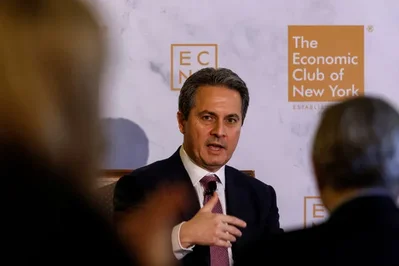
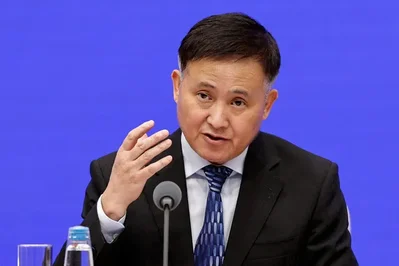
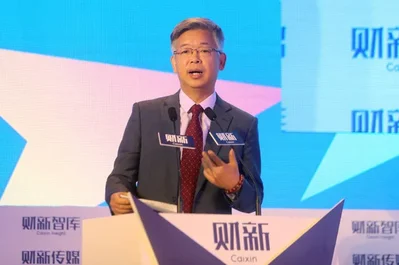
China is currently navigating a complex economic environment as policymakers attempt to balance the threat of imported inflation with the need to support slowing domestic growth. Huang Yiping, a member of the monetary policy committee at the People's Bank of China (PBOC), stated that conflict in the Middle East is expected to put significant pressure on the economy. While consumer inflation remains relatively low, providing some policy room, the ultimate impact will depend on the duration and severity of international tensions. In February, year-on-year consumer inflation reached 1.3%, its highest level in more than three years, though it remains below the government's annual target of approximately 2%. Huang highlighted that the most significant risk involves the impact of rising energy costs on corporate margins. > "What I am worried about the most is the shock to companies profitability from rising oil prices, as the squeeze would be very adverse for the real economy," Huang said. Although monetary policy has limited effectiveness against inflation driven by external factors, Huang noted that a policy response is certain if price increases become widespread. > "We will have to balance between the rising inflation and the downward pressures on economic growth," he added. PBOC Governor Pan Gongsheng has indicated that the central bank will maintain an appropriately loose monetary stance, utilizing tools such as reserve requirement cuts and interest rates to ensure ample liquidity. Market observers are also monitoring the impact of these cost pressures on industrial manufacturers like Oiles Corporation as they navigate the changing economic landscape.