Oil prices exceed 100 dollars amid Middle East conflict
Oil prices rose above 100 dollars on Monday as the Middle East conflict intensified. Global stocks fell as investors weighed stagflation risks and weak U.S. data.

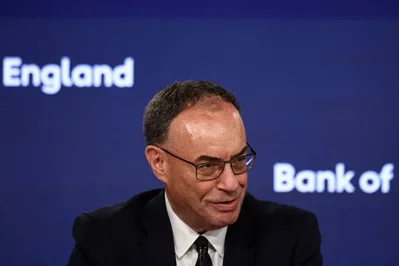
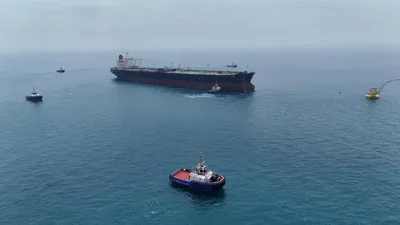
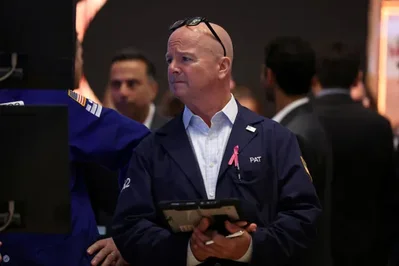
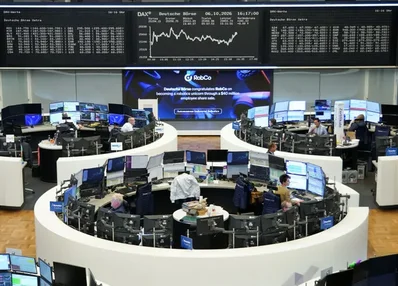
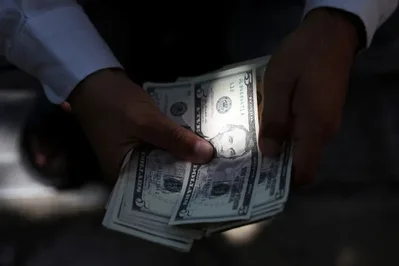
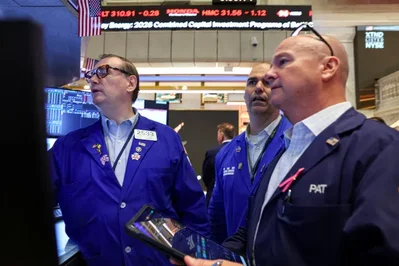
The global financial landscape is grappling with the dual threats of an oil shock and stagflation as energy markets react to the escalating conflict in the Middle East. Brent Crude Oil prices surged past $100 per barrel on Monday, reaching their highest levels since the invasion of Ukraine four years ago. This spike comes as the war involving Iran and Israel enters its second week, raising concerns that triple-digit energy costs could become a persistent burden for the United States and the broader global economy. Fuel prices in the American market have climbed well above $3 per gallon, prompting significant political discourse. President Donald Trump addressed the situation on social media, suggesting the economic cost is a necessary trade-off for geopolitical objectives. > "Rising oil prices were a very small price to pay for winning the war." The inflationary pressure arrives at a precarious time for central bankers. Recent data showed a surprisingly weak employment report in the American labor market, fueling fears of stagflation—a period of stagnant growth combined with high inflation. This prospect has rattled global bond markets, particularly in the United Kingdom, where two-year gilt yields recorded their sharpest one-day increase since 2022. Equity markets have reacted sharply to the mounting uncertainty. In Japan, the Nikkei index plummeted by more than 5%, while the KOSPI in South Korea dropped nearly 6%. These losses follow a week of significant declines across both Asian and Western indexes. While investors typically seek safety during such volatility, Gold has struggled to gain traction, weighed down by a strengthening dollar and rising Treasury yields. Political leaders are now weighing interventions to stabilize prices. Reports indicate that G7 finance ministers are discussing a coordinated release from emergency petroleum reserves. In Washington, Senate Democratic Leader Chuck Schumer has urged the White House to tap into the Strategic Petroleum Reserve, though the administration has yet to commit to such a move. The geopolitical landscape remains volatile as Gulf states continue to reduce output amid threats to shipping in the Strait of Hormuz. Furthermore, the leadership transition in Tehran, with the appointment of hardliner Mojtaba Khamenei as the new supreme leader, suggests a potential hardening of regional tensions. For the Republican Party, the surge in fuel costs presents a significant challenge ahead of the November midterm elections, particularly in swing states across the Midwest and South that were pivotal in the 2024 election.