
Nvidia CEO Sees $1 Trillion AI Revenue Opportunity
CEO Jensen Huang sees a $1 trillion AI chip revenue opportunity through 2027. The forecast highlights Nvidia's growth as it expands its hardware and software.

Jensen Huang, the CEO of NVIDIA Corporation, projected that the revenue opportunity for the company's advanced artificial intelligence chips will reach at least $1 trillion through 2027. Speaking at the chipmaker's annual developer conference in San Jose, California, Huang expressed strong confidence in maintaining market leadership despite intensifying competition and investor scrutiny regarding the company's ecosystem reinvestment strategy. This new forecast represents a significant increase from the approximately $500 billion opportunity for 2026 previously cited by the firm.
The announcement briefly pushed shares of the world's most valuable listed company higher, with its market capitalization exceeding $4.3 trillion, before the stock settled with a 1.4% gain. Huang delivered his keynote in a hockey arena filled with over 18,000 attendees, marking one of the most significant stages for AI technology to date.
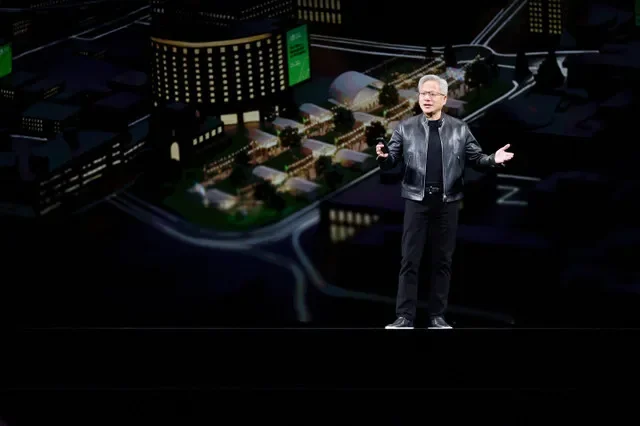
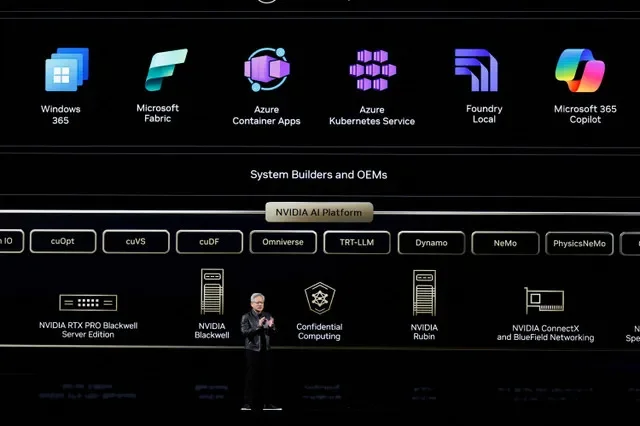
Huang identified the company's CUDA chip programming software as a primary competitive advantage and a robust shield against rivals. He explained that the extensive software ecosystem is a major draw for developers who drive technological breakthroughs.
"The installed base is what attracts developers who then create (the) new algorithms that achieve the breakthrough technologies," Huang said.
The four-day conference is expected to provide further details on a next-generation AI chip dubbed Feynman, named after the physicist Richard Feynman. Huang is also slated to discuss advancements in data centers, digital AI agents, and physical robotics.

A significant portion of the focus remains on inference computing, where AI models apply learned knowledge to real-time tasks. This shift is critical as major tech players, including Meta Platforms, Inc., OpenAI, and Anthropic, move from training massive models to serving hundreds of millions of users. To strengthen its position in this competitive segment, the company licensed technology from the startup Groq for $17 billion in December.
Furthermore, the company has allocated $2 billion each to Lumentum Holdings Inc. and Coherent, Inc.. These investments target laser technology essential for high-speed data transmission between chips via light beams, shoring up defenses against competitors aiming to reclaim market share.
On a global scale, the company remains the backbone of the AI ecosystem. The United States[country:{ value:\"