
Nigeria cuts food and vehicle duties to curb inflation
Nigeria will reduce tariffs on essential goods including rice and vehicles starting July 1. These measures aim to lower household costs and support business.

The government of Nigeria has announced plans to implement significant cuts to import duties on food, vehicles, and industrial materials starting July 1. This initiative, communicated by the presidency on Tuesday, is designed to combat rising inflation and alleviate the cost-of-living crisis in Africa's most populous nation.

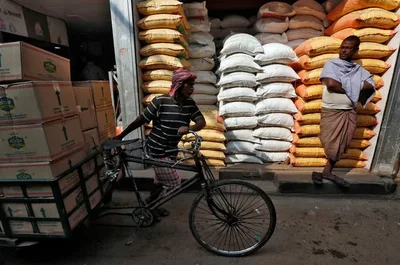
The new fiscal measures include substantial tariff reductions on essential commodities such as rice and Sugar, as well as palm oil and construction supplies. Furthermore, the administration will provide full duty exemptions for electric vehicles, mass-transit buses, and machinery used in manufacturing to support industrial growth.
While inflation slowed to 15.06% in February from a peak of 33% in late 2024, the World Bank noted last week that the economy remains under pressure. Geopolitical tensions involving Iran have contributed to volatility in global energy markets, affecting the pricing of Brent Crude Oil and West Texas Oil. These external factors have translated into higher fuel costs within the domestic market.
Under the updated tariff structure, duties on passenger vehicles will be reduced to 40%, and bulk rice will drop to 47.5%. Levies on raw sugar cane will be adjusted to between 55% and 57.5%, down from the previous 70% rate, while palm oil duties will be lowered to 28.75% from 35%.
Finance Minister Wale Edun stated that the government is seeking financial support at the upcoming IMF-World Bank Spring meetings to navigate these economic challenges. He highlighted the severe impact of rising fuel prices on the local economy.
"Since the conflict began, petrol prices have jumped more than 50% to about 1,330 naira a litre, while diesel is up over 70% at around 1,550 naira, squeezing transport, manufacturing and small businesses."
These measures represent a broader effort by the administration to stabilize the economy, lower household expenditures, and reduce the operational costs for businesses across the country.