
NZ Lenders Push Back on Central Bank Cash Access Plan
New Zealand lenders are opposing a central bank proposal to mandate minimum cash services. The plan aims to ensure physical money access for vulnerable users.

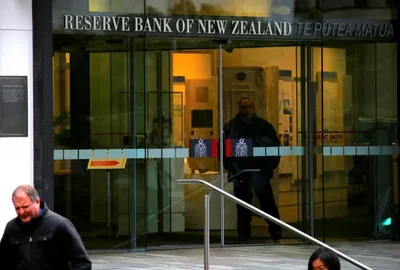
The central bank of New Zealand is facing pushback from commercial lenders over a new proposal that would mandate a minimum level of cash-related services. Last month, the Reserve Bank of New Zealand (RBNZ) initiated a public consultation on requirements for banks to maintain physical money access, including a broader network of ATMs and reduced withdrawal fees. This move comes as policymakers globally seek to protect access to physical currency in increasingly digital economies. Ian Woolford, the RBNZ’s director of money and cash, explained the necessity of the plan during its unveiling on February 25. > "The public expect banks to provide cash services to them, but banks have been steadily reducing points of access for their customers to get cash, bank cash or get change, especially in rural areas," Woolford said. Industry representatives have voiced strong disagreement with the mandate. Roger Beaumont, chief executive of the New Zealand Banking Association, characterized the plan as a significant departure from current trends. > "This proposal is extreme," Beaumont stated, adding that the move came as a "huge surprise" to the sector. Financial data highlights a sharp decline in physical currency usage across the country. Over the last decade, approximately 40% of bank branches have closed. RBNZ statistics show that cash usage for daily transactions plummeted from 95.8% in 2019 to just 57.2% in 2023. Despite this, the central bank estimates the proposed requirements would cost the banking sector approximately NZ$104 million annually, representing a small portion of the industry's NZ$10 billion annual pre-tax profits. Advocacy groups argue that maintaining cash access is vital for social equity and resilience. Jake Lilley of the financial mentoring service FinCap noted that cash remains a lifeline for those on tight budgets or individuals in transition, such as those leaving violent relationships. > "There's all sorts of vulnerabilities where cash provides a helpful way forward," Lilley noted. Furthermore, Mark Hooper of Federated Farmers emphasized that while digital banking dominates the agricultural sector, cash remains essential for community-level activities and small business operations. Research commissioned by the central bank also indicates that physical money holds significant cultural and practical value within Maori communities.