Lawyers urge delay for $7.25 billion Roundup settlement
Law firms representing nearly 20,000 plaintiffs urged a Missouri judge to delay approval of a $7.25 billion Roundup settlement. They say the timeline is rushed.

Law firms representing nearly 20,000 individuals in the United States[Country:{\"assets\":{\"country\":\"US\"}}] have filed a motion to delay a Missouri judge's review of a proposed $7.25 billion settlement involving Bayer AG[Symbol:{\"assets\":{\"symbol\":\"BAYN.DE\"}}]. The legal teams argue that the current timeline for the nationwide accord, which aims to resolve claims related to the Roundup weedkiller, is being fast-tracked in a manner that could compromise the rights of cancer patients and their families.
The filing, made public on Wednesday in a St. Louis state court, urges the court not to proceed with a preliminary approval hearing scheduled for March 4. This date is just fifteen days after the massive settlement was first announced. This move represents the first significant organized opposition to the attempt by the company, headquartered in Germany[Country:{\"assets\":{\"country\":\"DE\"}}], to settle approximately 65,000 remaining Roundup claims across various state and federal jurisdictions.
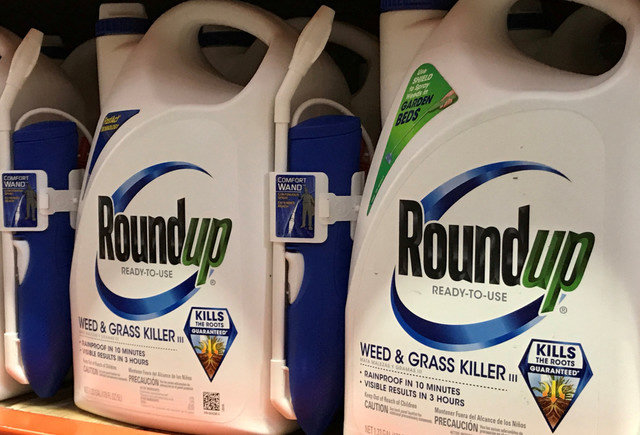
In a statement, a spokesperson for Bayer expressed confidence in the proposal, stating that the company believes the settlement is fair to all claimants and warrants court approval.
We fully expect a robust debate about the class settlement and are not surprised by either the support or opposition from plaintiff firms over recent days.
The litigation centers on allegations that glyphosate, the active ingredient in Roundup, causes non-Hodgkin lymphoma and other forms of cancer. Bayer, which acquired the product through its $63 billion purchase of Monsanto in 2018, maintains that decades of scientific research prove glyphosate is safe for use. The proposed settlement would create a compensation program intended to pay out claims over a 21-year period.
Attorneys for the opposing plaintiffs highlighted the complexity of the agreement, noting they received the 600-page settlement package on February 17. They argued that while Bayer and the settling parties spent two years negotiating the terms, it is impossible for other counsel to effectively analyze the document in such a short window. Bayer has maintained that the deal provides essential legal certainty, ending years of expensive litigation while providing a path for compensation.