Japan warns oil price spikes may fuel lasting inflation
Japan warns that rising oil prices from the Middle East crisis may fuel lasting inflation. The government maintains its view of a moderate economic recovery.

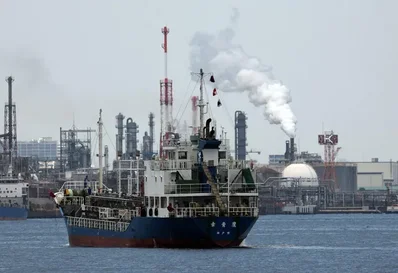
The Cabinet Office of Japan has cautioned that the geopolitical volatility in the Middle East, particularly the conflict involving Iran, could result in persistent inflationary pressure over the coming quarters. In its March economic report, the government estimated that a 10% rise in crude oil prices could lift the national consumer inflation rate by approximately 0.3 percentage point within a year. The report maintained a cautiously optimistic stance, describing the economy as being in a moderate recovery phase. However, for the first time since April 2025, the Cabinet Office removed a specific mention of trade policy risks associated with the United States from its headline assessment. On the pricing front, the government revised its outlook, stating that consumer prices are now rising moderately rather than at a slowing pace. Other indicators remained stable, with private consumption and business investment continuing to show signs of improvement. Nevertheless, the Cabinet Office highlighted potential risks, including a dip in consumer sentiment and production cuts within the petrochemical sector. The national economy expanded at an annualized rate of 1.3% in the final quarter of last year, driven by robust private sector spending. In response to rising costs, the administration of Prime Minister Sanae Takaichi has deployed fuel subsidies and tapped into oil reserves to protect households and firms from price shocks. Meanwhile, the Bank of Japan held interest rates steady at 0.75% during its January and March policy meetings. The central bank recently debuted a new consumer price gauge, a move analysts suggest is intended to better identify underlying inflation trends as the bank considers the timing for future rate adjustments.