Japan Taps Joint Oil Reserves to Offset Supply Shortages
Japan will tap joint oil stockpiles by late March to offset Middle East supply losses. The move follows the closure of the Strait of Hormuz in early March.

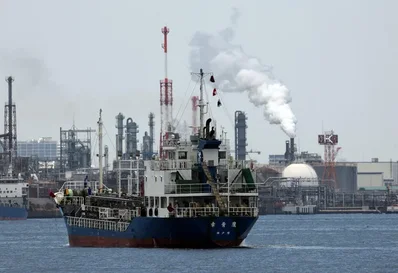
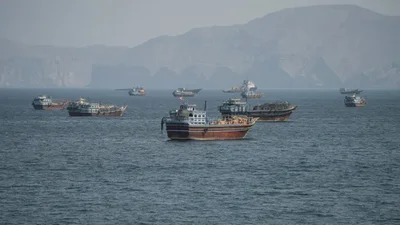
Japan is preparing to tap joint oil reserves held with producing nations as part of an emergency strategy to stabilize domestic supply, Prime Minister Sanae Takaichi confirmed on Tuesday. The decision follows a significant disruption in Middle Eastern supply routes triggered by regional conflict. Energy prices surged to multi-year highs after the United States and Israel launched military strikes against Iran in late February. The ongoing closure of the Strait of Hormuz has forced Tokyo to accelerate its reserve release program to prevent a fuel crisis. > We began releasing privately held reserves on March 16 and will begin releasing national reserves from the 26th. Japan’s total contribution to the International Energy Agency’s coordinated release is expected to reach nearly 80 million barrels. This includes approximately 13 million barrels held jointly with Saudi Arabia, the United Arab Emirates, and Kuwait. Industry Minister Ryosei Akazawa noted that the government plans to draw down five days' worth of these specific joint stocks. Logistical challenges remain significant as major shipping corridors remain inaccessible. While some tankers are bypassing the Strait of Hormuz by sailing from the Red Sea, many vessels remain stationary. Major Japanese carriers, including Nippon Yusen Kabushiki Kaisha and Mitsui O.S.K., have suspended transits through the affected area, opting to wait in safe zones until the security situation improves. In response to the prolonged closure, Japanese refiners are seeking alternative crude sources from the Western Hemisphere. However, the Petroleum Association of Japan indicated that any new supplies from regions such as North America are unlikely to reach Japanese ports before June, leaving the country reliant on its strategic stockpiles in the interim.