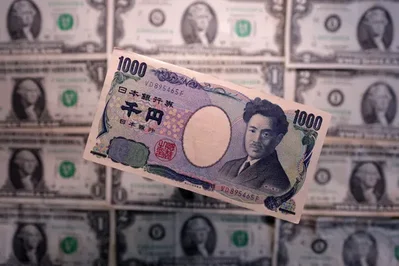
Japan warns of decisive action as yen falls past 160
Japanese officials warned of decisive steps to support the yen as Governor Ueda signaled a potential rate hike in April. They cite growing inflation risks.

Japan has escalated its warnings regarding currency intervention while signaling that continued yen depreciation could justify a near-term interest rate hike. Policymakers are expressing growing concern over inflationary pressures exacerbated by the ongoing conflict involving Iran.
Atsushi Mimura, the nation's top currency diplomat, issued the strongest warning yet on Monday, stating that authorities may need to take decisive steps if speculative moves persist in the foreign exchange market. He noted that speculative activity is increasing in both currency and crude futures markets.
"If this situation continues, it may be time to take decisive measures."
The use of the word "decisive" is widely interpreted by market participants as a signal that the government is prepared to intervene directly. The yen recently plummeted past the 160-per-dollar mark, reaching its weakest level since July 2024, when the government last intervened. Rising oil prices, driven by instability in the Middle East and the potential closure of the Strait of Hormuz, have added to the cost-push inflation already pressured by the weak currency.
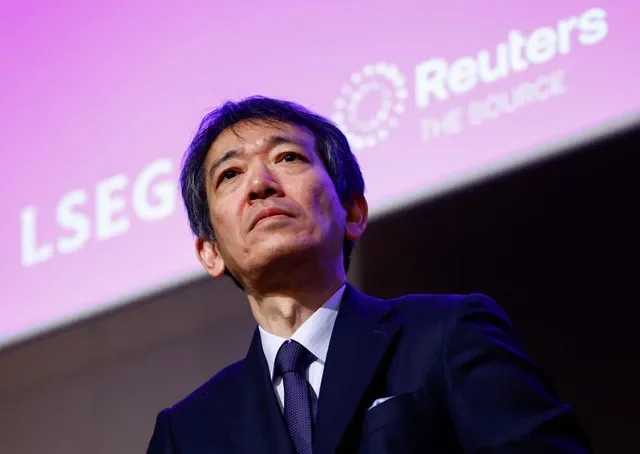
Bank of Japan Governor Kazuo Ueda addressed Parliament on Monday, suggesting that the central bank is closely monitoring the yen's impact on economic growth and price stability. He indicated that inflationary pressures from a weak currency could warrant an interest rate increase in the coming months.
"We will guide policy appropriately by scrutinising how currency moves could affect the likelihood of achieving our growth and price forecasts, as well as risks."
A summary of the Bank of Japan's March meeting revealed that some policymakers are concerned about the risk of stagflation, where the economy stagnates while prices continue to rise. These concerns contributed to a decline in the Nikkei stock average and pushed the benchmark 10-year Japanese government bond yield to a 27-year high of 0.75%.
Benjamin Shatil, an economist at JPMorgan Chase & Co., observed that recent hawkish data on inflation and the output gap suggests the central bank is preparing for its next move.
"While the global risk environment remains fragile, and could affect the timing of the BOJs next move, we continue to pencil in a hike at the April meeting."