Japan weighs oil reserve release during energy crisis
Tokyo weighs releasing oil reserves as the Iran crisis halts supplies. Japan holds 146 days of emergency stock to mitigate Middle East energy disruptions.

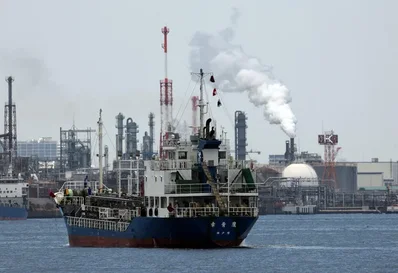
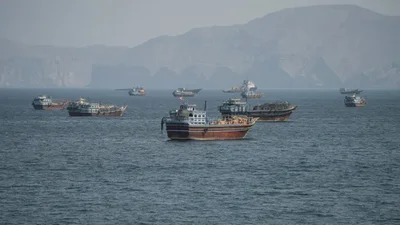
Japan is reportedly weighing the release of its strategic petroleum reserves as the escalating conflict in Iran continues to disrupt global energy supplies. This consideration follows a period of heightened market pressure on Brent Crude Oil prices after the effective closure of the Strait of Hormuz, a critical maritime corridor for global fuel shipments.
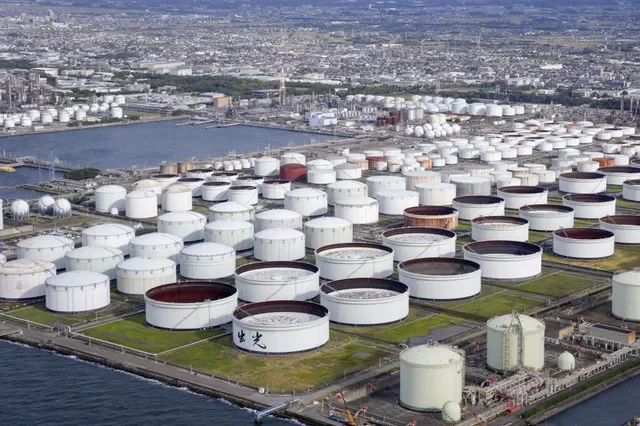
The world's third-largest economy is heavily dependent on the Middle East, which accounts for approximately 95% of its total oil imports. Roughly 70% of these supplies typically pass through the Strait of Hormuz. With the waterway currently inaccessible due to the ongoing regional war, the Japanese government is reassessing its energy security strategy.
Currently, the nation maintains emergency national reserves sufficient to cover roughly 146 days of domestic consumption. In addition to these state-controlled assets, the country also holds private-sector stockpiles and maintains joint storage agreements with various oil-producing nations.
The reported shift in policy follows statements from officials earlier this week indicating that there were no immediate plans to tap into the emergency reserves. However, the prolonged nature of the supply disruption appears to have prompted a reconsideration of that stance.