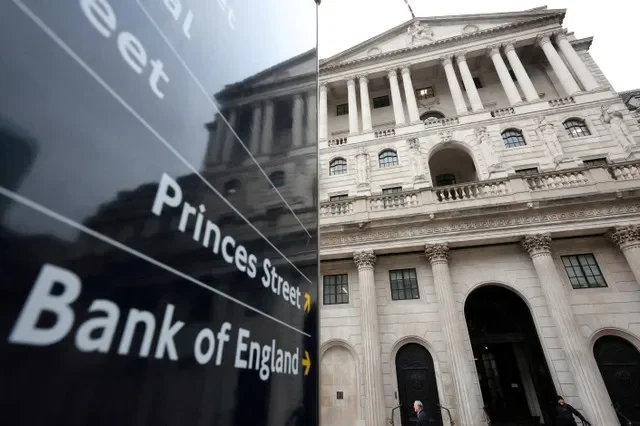
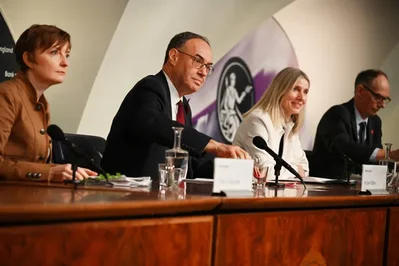
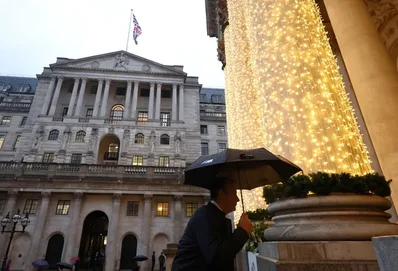
On Thursday, the Bank of England maintained its benchmark rate at 3.75%. However, the central bank warned that inflation could climb to approximately 3.5% over the next two quarters, a level notably higher than its official 2% target. While officials acknowledged the possibility of an economic slowdown dampening price growth, they stated that the primary risk remains elevated inflation and expressed readiness to intervene as necessary.
Strategists at The Goldman Sachs Group, Inc. and BNP Paribas S.A. have also identified a substantial risk of near-term rate increases. They noted that if global energy prices continue to rise, a hike could occur as early as the April meeting.
The duration and magnitude of the shock thus far has not only opened the door to rate hikes but has also made them materially more likely than they appeared before.
The outlook for monetary easing has subsequently been pushed back. J.P. Morgan expects inflation to begin cooling only in the spring of next year and is now forecasting two rate cuts in 2027 to return rates to current levels. Similarly, Goldman Sachs and Morgan Stanley have delayed their expectations for rate cuts, projecting that the Bank of England will maintain an extended hold.
In the case of a very swift resolution in the Middle East...we would see some chance of a cut in 4Q26.