
Iran War Disrupts Fertilizer Supply and Drives Up Prices
The conflict has disrupted Middle East trade and halted major production plants. Urea prices rose 40 percent as supplies tighten before spring planting.

The escalating conflict involving the United States and Israel against Iran has entered its third week, sparking warnings from analysts regarding severe disruptions to global fertilizer markets. This instability is endangering food security for developing nations as the closure of key trade routes and the halting of energy production coincide with the critical spring planting season in the Northern Hemisphere.
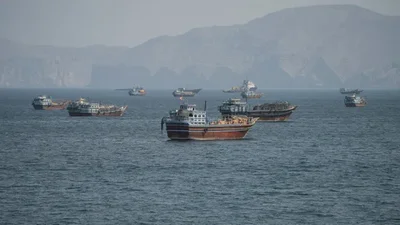
A primary factor in the supply crunch is the Strait of Hormuz, a narrow shipping lane along the coast of Iran that has been largely shut since hostilities began. This route facilitates one-third of the global fertilizer trade and approximately 20% of the world's oil and liquefied natural gas (LNG). Because fertilizer production is an energy-intensive process relying heavily on natural gas as a feedstock, the role of energy infrastructure and services, such as those provided by Natural Gas Services Group, Inc., is vital to maintaining output. With energy making up as much as 70% of production costs, the near-closure of the strait and drone strikes across the Gulf have forced regional plants to halt operations.